
Winter Walkability in Ontario
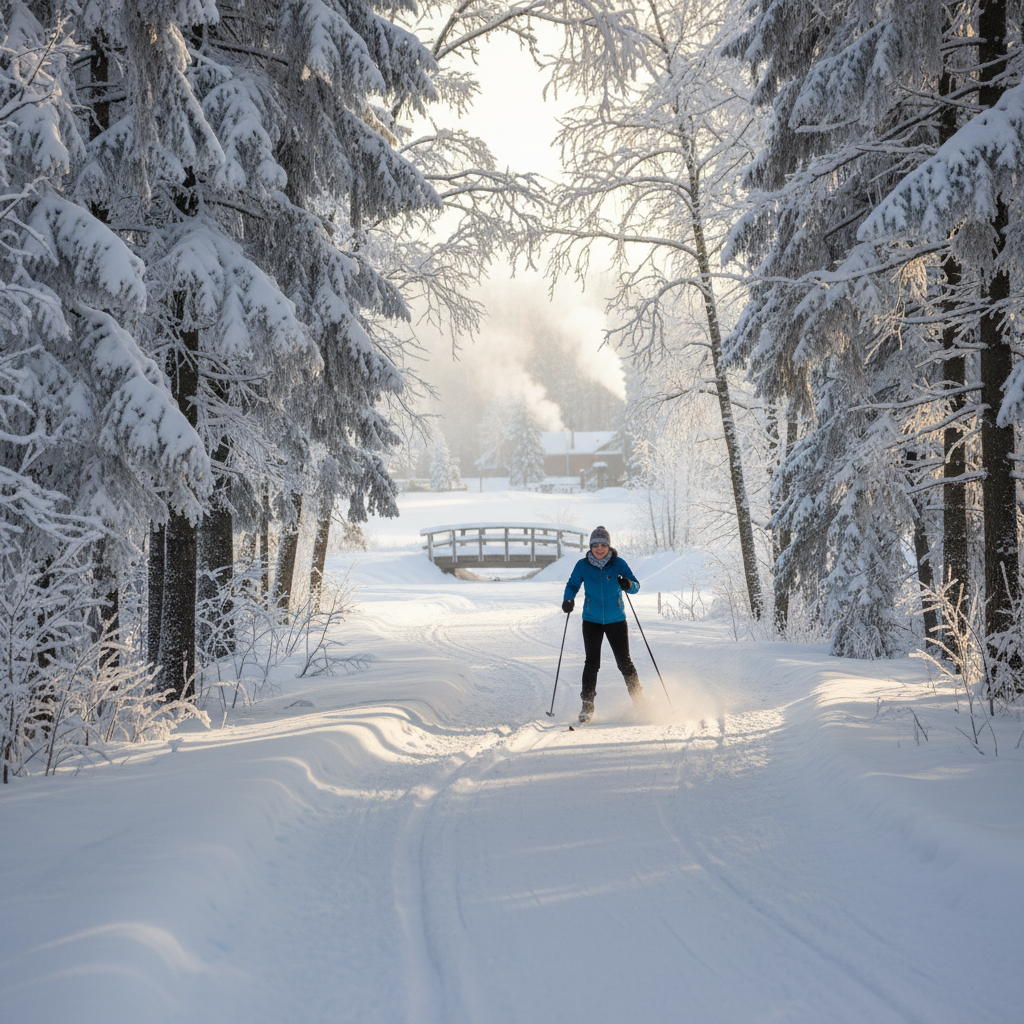
Ontario has winter for roughly five months of the year. From late November through early April, snow, ice, freeze-thaw cycles, and reduced daylight fundamentally change the pedestrian experience. A neighbourhood that is pleasant and walkable in July can become isolated and hazardous in January. Yet most conversations about walkability focus on warm-weather conditions, and most walkability tools ignore seasons entirely.
For the approximately 14 million people who live in Ontario, winter walkability is not an abstract planning concept. It determines whether seniors can get to the pharmacy, whether children can walk to school, whether people with mobility challenges can leave their homes at all. It affects physical activity levels, social isolation, fall-related injuries, and access to daily necessities. In a province that has real winter, walkability that only works half the year is not really walkability.
The Sidewalk Clearing Gap
Municipal sidewalk maintenance policies vary enormously across Ontario. Some cities and towns operate dedicated sidewalk plows and clear all public sidewalks within a set time after a snowfall ends. Others clear only priority routes such as school zones and commercial areas. Some rely entirely on property owners to clear the sidewalk in front of their homes, enforced by bylaws of varying strictness. And some communities have no sidewalk clearing program at all.
This creates a patchwork experience for anyone trying to walk. You might have a beautifully cleared sidewalk for two blocks, then encounter an uncleared stretch where someone is away or simply has not gotten around to shovelling. That uncleared stretch forces you onto the road, into a snowbank, or back home. The weakest link in the chain defines the walkability of the whole route.
Property-owner clearing requirements are particularly problematic for seniors and people with disabilities. The people who most need walkable streets are often the least able to clear them. Some municipalities operate volunteer shovelling programs or subsidize snow clearing for vulnerable residents, but these programs are inconsistent and often underfunded.

Ice: The Hidden Hazard
Snow is visible and understandable. Ice is the more dangerous problem. Ontario's freeze-thaw cycles, where daytime temperatures rise above zero and nighttime temperatures drop below, create ice on sidewalks, ramps, and intersections repeatedly throughout the winter. A sidewalk that was bare at noon can be glazed with ice by morning.
Fall injuries related to icy conditions are a significant public health burden in Ontario. Among older adults, falls are the leading cause of injury-related hospitalization, and winter ice is a major contributor. A hip fracture from a fall on an icy sidewalk can lead to months of recovery, loss of independence, and for some seniors, a move to long-term care that might otherwise have been avoided.
Salt and sand are the standard ice management tools, but their application is inconsistent. Municipal crews focus on roads and priority sidewalks. Property owners may or may not salt their frontage. Intersections and curb ramps, which are critical accessibility points, are often the last places to be cleared and treated. The result is that the most vulnerable pedestrians face the highest risk at the most important points in their journey.
Lighting and Visibility
Winter in Ontario means short days. In southern Ontario, the sun sets before 5 p.m. from late November through January. In northern communities, sunset comes even earlier. Anyone walking after work or school, going to evening activities, or running errands in the late afternoon is walking in the dark.
Street lighting designed primarily for drivers does not always serve pedestrians well. Lights mounted high on poles illuminate the road surface but may leave sidewalks, paths, and intersections in shadow. Pedestrians wearing dark winter clothing on unlit sidewalks are difficult for drivers to see, and the risk of vehicle-pedestrian conflicts increases. Communities that invest in pedestrian-scale lighting, lower fixtures that illuminate sidewalks and crosswalks, make winter walking meaningfully safer.
The combination of ice, snow, darkness, and cold creates a compounding effect that discourages walking far more than any single factor alone. Addressing winter walkability requires attention to all of these elements together, not just one at a time.
What Good Winter Walkability Looks Like
Some Ontario communities handle winter walkability well, and their approaches offer useful models. The common elements of effective winter pedestrian management include municipally operated sidewalk clearing on all public sidewalks, rapid response times after snowfall, proactive ice management, adequate pedestrian lighting, and accessible transit stops.
Ottawa, despite being one of Canada's snowiest capitals, maintains a comprehensive sidewalk clearing program with a 16-hour response target after a snowfall ends. The city clears approximately 2,300 kilometres of sidewalks and operates a separate program for multi-use pathways. It is not perfect, and residents regularly advocate for faster service, but the infrastructure exists.
Smaller communities can achieve good results too. Towns that prioritize routes to schools, medical facilities, grocery stores, and transit stops can make a significant difference with limited budgets. A connected network of cleared priority routes is more useful than sporadic clearing everywhere. The key is identifying where people actually need to walk in winter and ensuring those routes are reliably maintained.
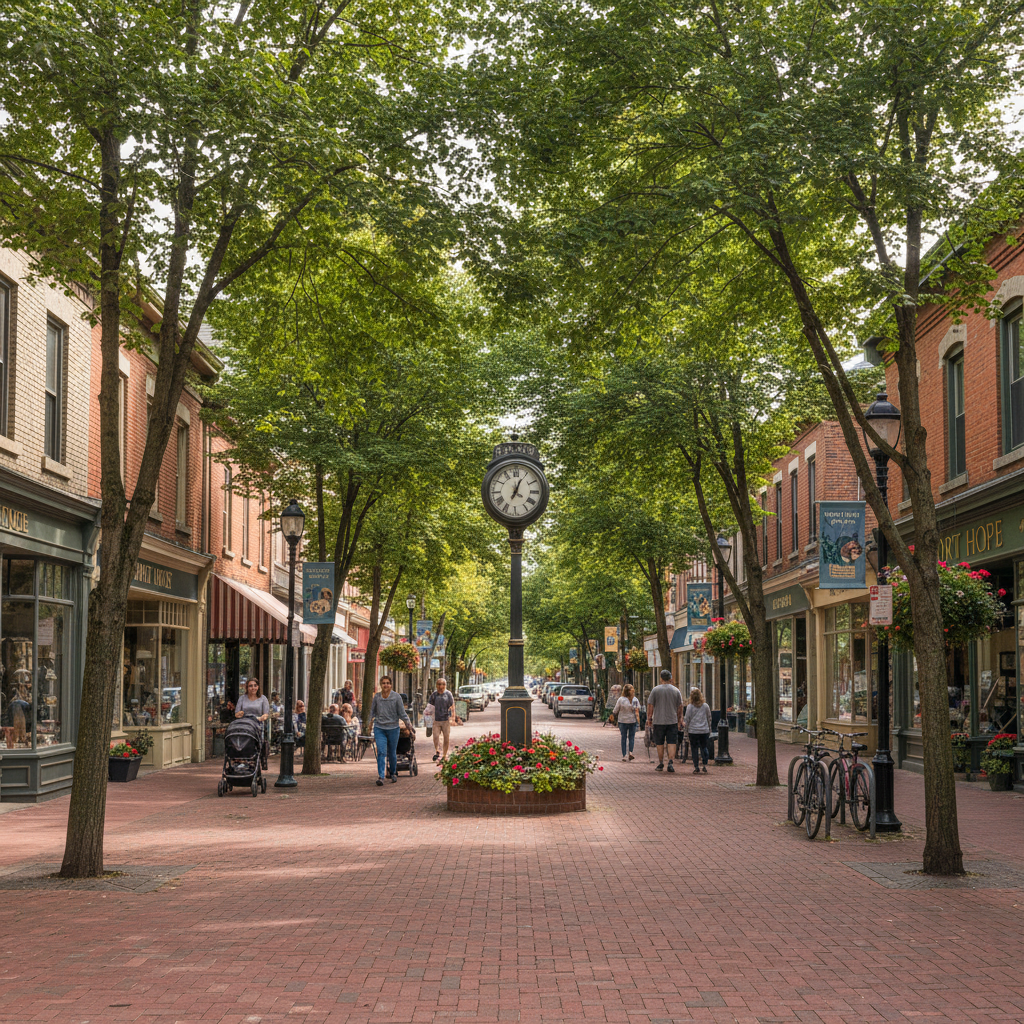
Evaluating Winter Walkability
If you are considering a move to an Ontario community, winter walkability should be part of your evaluation. Standard walkability scores will not tell you any of this, so you need to investigate directly.
Start by contacting the municipality. Ask whether they operate a sidewalk clearing program, what the response time is, and which routes are prioritized. Ask whether property owners are responsible for their own frontage and how that bylaw is enforced. Ask about the ice management protocol. The answers will tell you a lot about how seriously the community takes pedestrian access in winter.
If possible, visit the community during winter. Walk the routes you would use daily: to the grocery store, the school, the transit stop, the pharmacy. Notice whether sidewalks are cleared, whether intersections are accessible, whether you feel safe crossing streets in the dark. These observations are worth more than any summer visit for understanding what daily life actually looks like.
Look for communities that have an active transportation plan or a pedestrian strategy that explicitly addresses winter maintenance. These documents signal that the municipality has thought about walking as a year-round mode of transportation, not just a summer amenity. Towns with such plans tend to allocate budget and operational resources accordingly.
Advocating for Better Winter Walking
If you already live in an Ontario community with poor winter walkability, there are avenues for change. Municipal budgets for sidewalk clearing are set during the annual budget process, and public input matters. Attending budget meetings, writing to council, and organizing with neighbours around winter walking issues has produced results in many Ontario towns.
Accessibility advisory committees, which Ontario municipalities are required to have under the Accessibility for Ontarians with Disabilities Act, are natural allies. Winter sidewalk conditions are an accessibility issue, and these committees can advocate for improved service levels through formal channels. The AODA Alliance provides resources for residents advocating for accessible public spaces.
Community-level solutions also help. Neighbourhood shovelling agreements, where residents commit to clearing not just their own frontage but also that of neighbours who cannot, build social connection while improving conditions. Some Ontario communities have organized volunteer shovelling brigades that respond to snowfalls, focusing on the homes of seniors and people with disabilities.
A Year-Round Standard
Winter walkability is fundamentally a question of equity. When sidewalks are impassable, the people who suffer most are those who cannot drive: seniors, children, people with disabilities, and lower-income residents who depend on walking and transit. A community that is only walkable in summer is a community that excludes its most vulnerable residents for nearly half the year.
Ontario's healthy streets need to work in all seasons. The infrastructure, the maintenance budgets, and the political will to keep people walking safely through the winter months are all part of building communities where everyone can participate in daily life regardless of the date on the calendar. When evaluating what makes a community healthy, ask not just whether you can walk there in July, but whether you can walk there in January. That is the test that matters for a truly healthy community in Ontario.