
Small Town Living
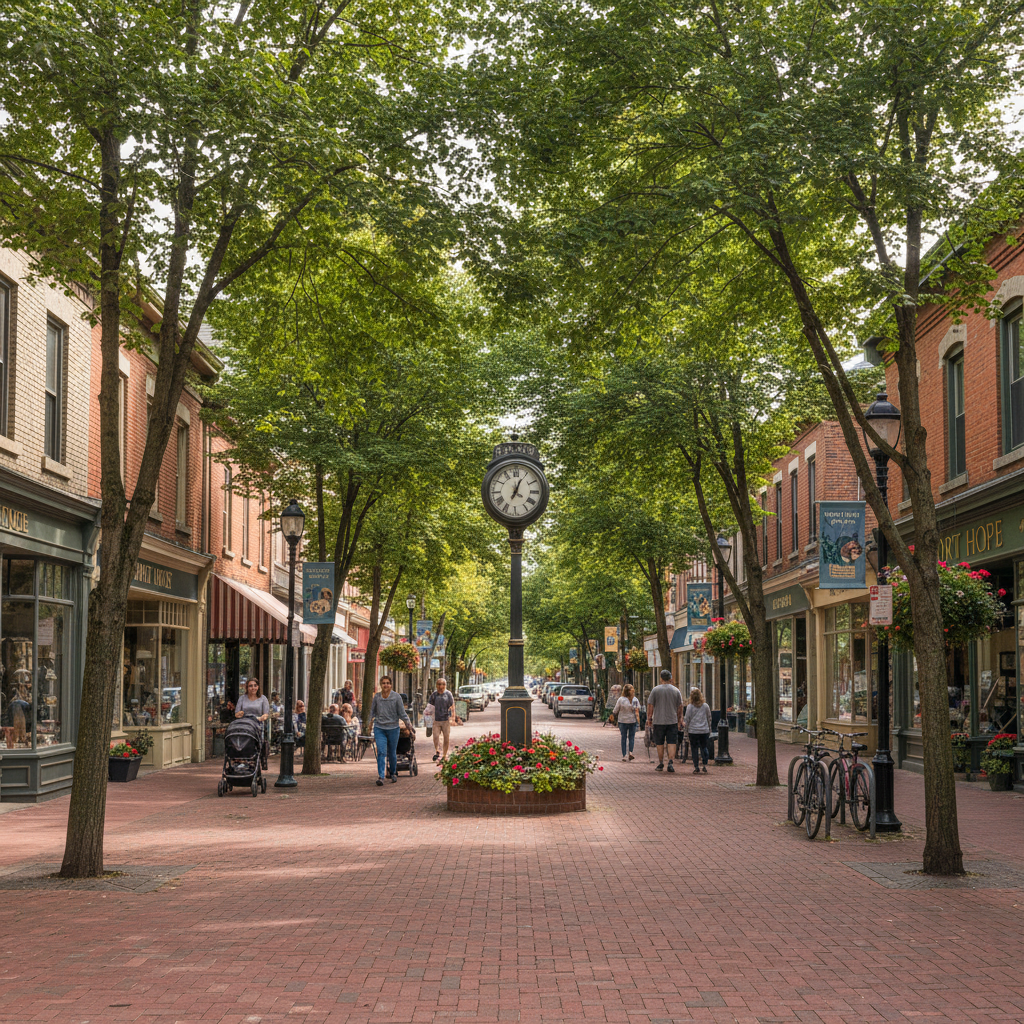
Ontario's smaller towns and rural communities offer a quality of life that is genuinely different from what you find in larger urban centres. Shorter commutes, quieter streets, more accessible green space, stronger community connections, and lower housing costs are all part of the appeal. But small-town living also comes with its own set of practical considerations that newcomers often do not think about until after they have moved.
Water is one of the biggest differences. In larger municipalities, drinking water comes from a treated municipal system that is tested rigorously and reported publicly. In many smaller communities and rural areas, homes rely on private wells. Well water quality varies significantly by region and even by property. It is the homeowner's responsibility to test and maintain their well. Ontario requires testing for bacteria at minimum, but there are other potential contaminants, including naturally occurring minerals, agricultural runoff, and in some areas, elevated levels of metals like arsenic or uranium. Understanding your water source is one of the most important steps when moving to a rural Ontario property.
Septic systems are another reality of rural and small-town life that many people from urban backgrounds have never dealt with. A properly maintained septic system works reliably for decades, but it does require attention. You need to know where your septic bed is, keep heavy vehicles and deep-rooted plants away from it, pump the tank regularly, and be mindful of what goes down your drains. The costs of septic maintenance are modest compared to the cost of a system failure, which can run into tens of thousands of dollars.

Walkability in small towns is a mixed picture. Many older Ontario towns were built around a central main street with shops, services, a library, and community facilities all within walking distance. If you live in or near the core, daily life can be remarkably walkable. But many newer subdivisions on the edges of small towns follow suburban development patterns with cul-de-sacs, wide roads, and no sidewalks. The walkability of a small town depends enormously on exactly where in town you live.
Winter changes everything in Ontario, and this is especially true in smaller communities. Snow clearing on roads is generally reliable, but sidewalk maintenance varies. Some municipalities clear sidewalks. Others leave it to property owners, which means sidewalk conditions can be inconsistent. If you plan to walk during winter, the quality of snow removal on your specific route matters a great deal. Ice control, accessible bus stops (where transit exists), and whether main routes have continuous sidewalks are all practical factors.
Cycling infrastructure in small Ontario towns is improving but still limited in most places. Some communities have invested in trail networks, bike lanes, and connections to regional trail systems like the Trans Canada Trail. Others have done little beyond painting shared-road symbols on busier streets. If cycling is important to your daily routine, it is worth looking at what infrastructure actually exists rather than assuming a small town will be bike-friendly by default.
School zones and traffic safety are important considerations for families. Smaller towns generally have lower traffic volumes, but they also tend to have fewer traffic calming measures. School zones may lack the crosswalks, crossing guards, and reduced speed infrastructure that are standard in larger municipalities. The safety of the walk to school is worth evaluating in person, at the actual time students would be making the trip.
One of the genuine strengths of small-town Ontario is the sense of community. Volunteer organizations, local events, farmers markets, community gardens, and recreational programs provide social infrastructure that can be harder to access in larger cities. For families, seniors, and anyone looking for a stronger sense of belonging, this is often the most compelling reason to choose small-town life.
The articles in this section cover the practical details of small-town and rural living in Ontario. From well water testing to winter walkability, we aim to give you the information you need to make informed decisions about where and how you live.