
Green Space and Family Health: Why Parks and Nature Access Matter
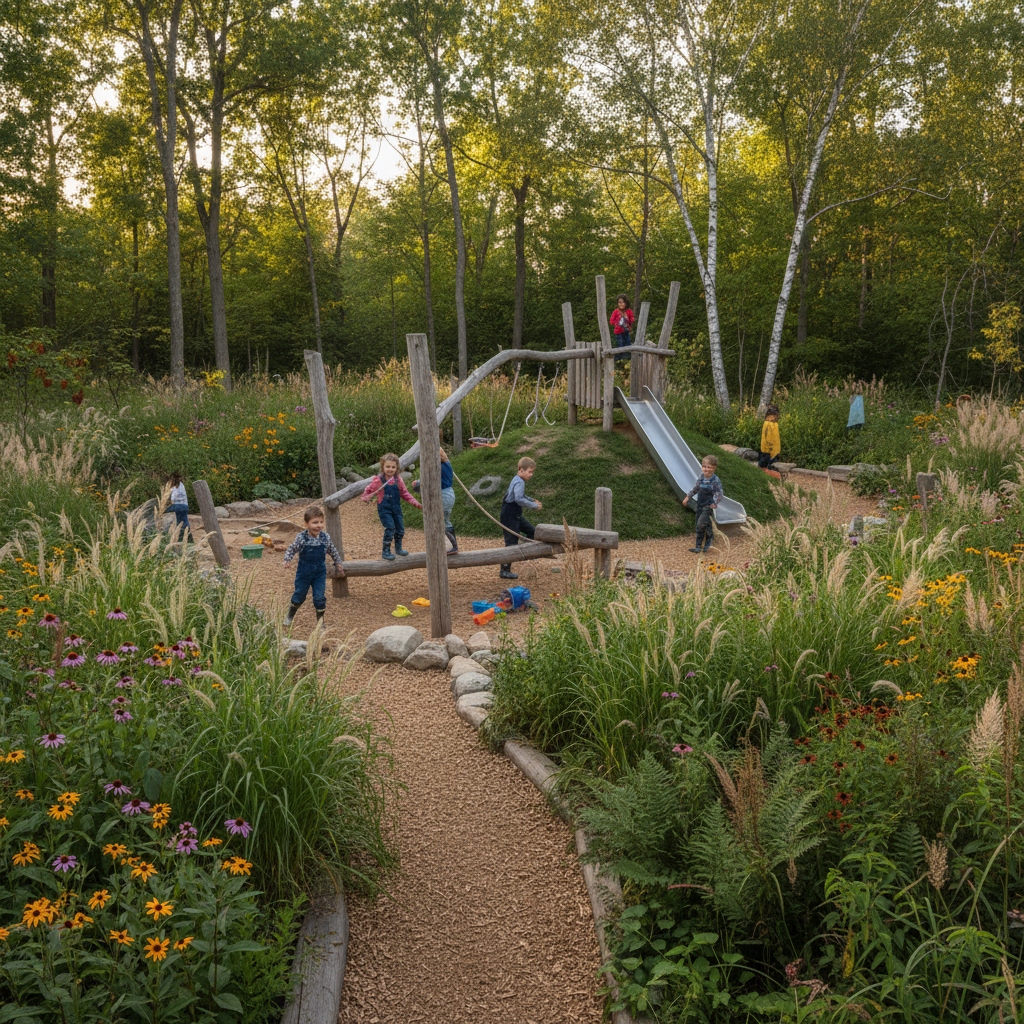
Access to green space is not a luxury. For families with children, it is one of the most important environmental factors influencing physical health, mental wellbeing, and childhood development. In Ontario, where long winters already limit outdoor time, the proximity and quality of parks, trails, and natural areas near your home can meaningfully shape your family's daily life.
The Physical Health Connection
Families who live near accessible green space are more physically active. This finding has been replicated in dozens of studies across different countries and climates, and it holds true in Canadian research as well. The mechanism is straightforward. When a park, trail, or playground is within a short walk, children and adults use it more often. The result is more minutes of moderate physical activity per week, which translates into better cardiovascular health, lower obesity rates, and reduced risk of chronic disease.
For children specifically, outdoor play in natural settings develops motor skills, balance, and coordination in ways that indoor or structured environments cannot fully replicate. Climbing, running on uneven terrain, jumping over logs, and navigating trails all build physical capabilities that matter throughout life. The Canadian Society for Exercise Physiology recommends that children aged five to seventeen get at least 60 minutes of moderate-to-vigorous physical activity daily, and proximity to green space makes reaching that target far more realistic.
Ontario's climate adds a seasonal dimension. Communities that maintain parks and trails for winter use, through plowed paths, maintained skating trails, or groomed cross-country ski routes, extend the active season significantly. A park that is only usable from May to October provides less than half the potential benefit of one that remains accessible year-round.
Mental Health and Stress Reduction
The mental health benefits of green space exposure are substantial and well documented. Time spent in natural settings reduces cortisol levels, lowers blood pressure, and decreases symptoms of anxiety and depression. These effects appear in both adults and children, and they do not require long wilderness excursions. Even short walks in a local park or time spent sitting under trees produces measurable improvements in mood and stress levels.
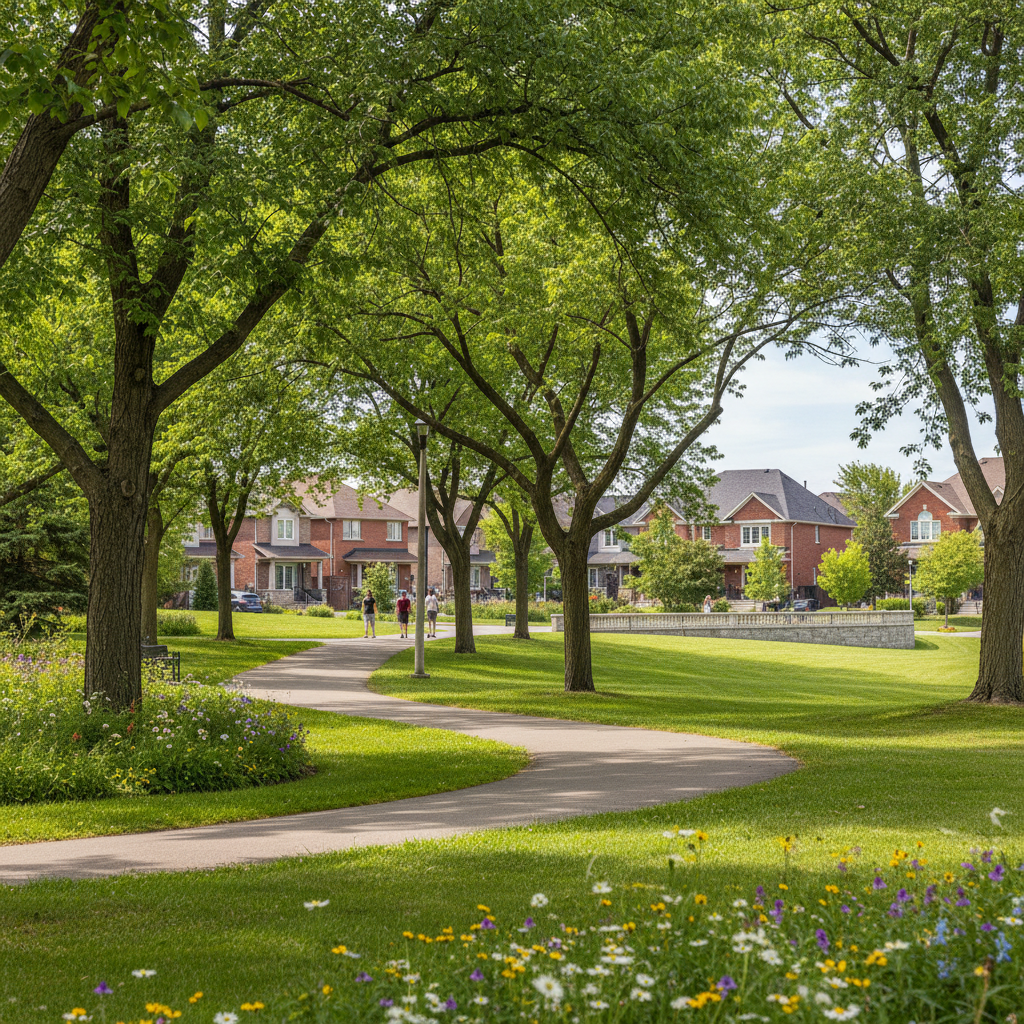
For parents, the stress-reducing effects of green space are particularly valuable. Raising children is demanding, and having a nearby outdoor space where the family can decompress, where children can burn energy and adults can briefly relax, contributes to better parenting and stronger family relationships. Research published in The Lancet Planetary Health has found that maternal exposure to green space during pregnancy is associated with improved birth outcomes, including reduced risk of preterm birth and low birth weight.
Children who grow up with regular access to nature also develop stronger emotional resilience. Studies tracking children's mental health over time have found that those with more green space near their homes have lower rates of depression and attention disorders in adolescence. The natural environment provides a form of sensory stimulation that calms rather than overstimulates, offering a counterbalance to screen time and urban noise.
Childhood Development and Learning
Green space supports cognitive development in ways that go beyond stress reduction. Nature-based play encourages creativity, problem-solving, and imaginative thinking. Children who regularly play in natural settings demonstrate better attention, improved academic performance, and stronger executive function skills compared to peers with limited nature access.
Ontario has seen a growing movement toward outdoor education and nature-based kindergarten programs, reflecting this research. Schools with adjacent green space and outdoor learning areas offer built-in opportunities for nature exposure during the school day. When evaluating school zones, consider not just traffic safety but also the quality of the outdoor environment available to students.
Unstructured outdoor play is especially important. While organized sports provide physical activity, free play in natural settings allows children to take age-appropriate risks, negotiate with peers, and develop independence. A neighbourhood with safe, accessible green space where children can explore without constant adult direction supports this kind of development.
Social Benefits for Families
Parks and community green spaces serve as gathering points where families meet, children make friends, and neighbourhood social networks develop. These connections matter. Families with stronger social ties report higher life satisfaction, better mental health, and more practical support during difficult times.
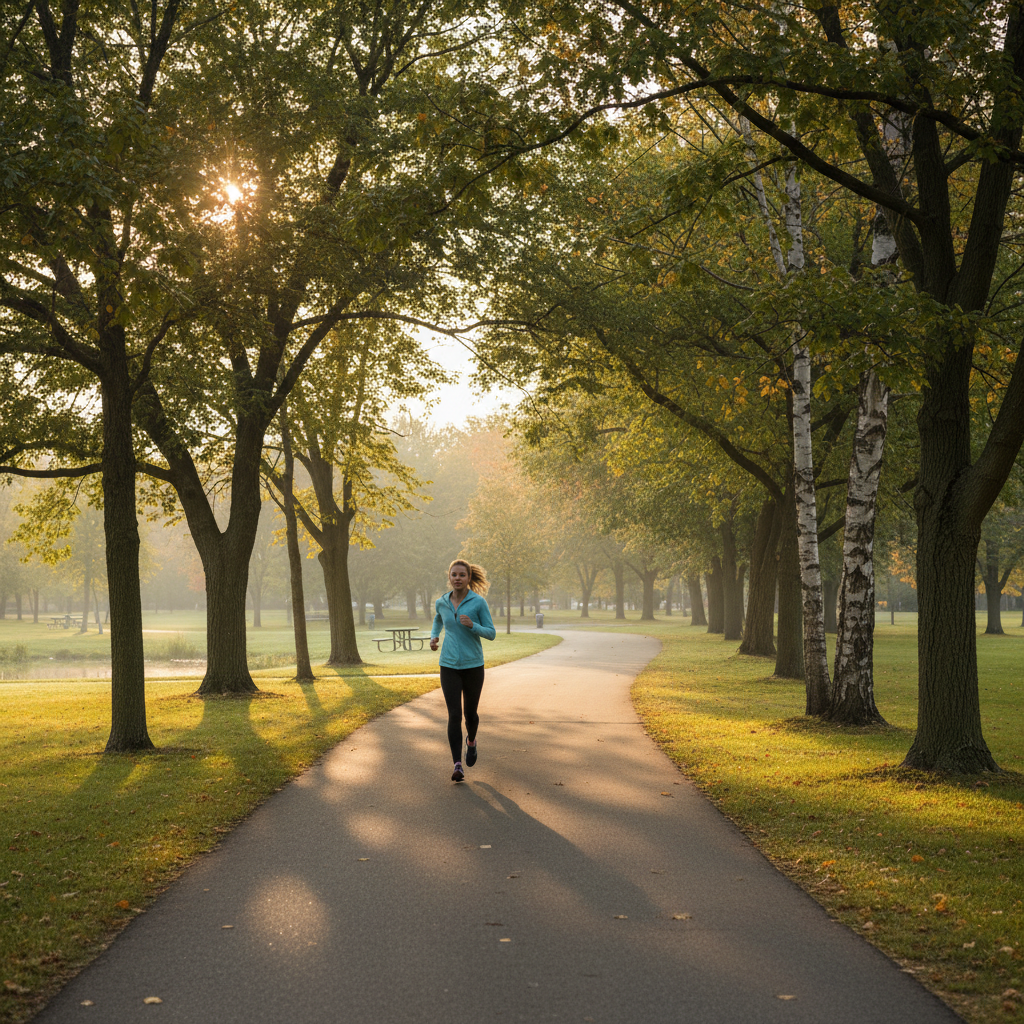
In Ontario's smaller communities, where populations are modest, a well-designed park can function as the primary social hub for families with young children. The playground becomes a place where parents exchange information about local schools, services, and activities. These informal exchanges build the social infrastructure that makes a community genuinely healthy.
Community gardens represent another form of green space that delivers social benefits alongside health ones. Families who garden together, whether on a shared plot or at a school garden, gain not only fresh produce but also skills, social connections, and a deeper relationship with the land.
What to Look for in Ontario Green Spaces
Not all green space is created equal. A manicured grass field beside a parking lot offers far fewer benefits than a naturalized park with diverse vegetation, shade trees, walking paths, and play features. When assessing the green space near your home or a neighbourhood you are considering, look for these qualities:
- Mature tree canopy provides shade, cools the air, and creates a more comfortable and inviting environment for extended outdoor time.
- Variety of settings within the same park, such as open fields, wooded areas, water features, and structured play areas, accommodates different activities and age groups.
- Safe access routes that allow children and families to reach the green space on foot or by bike without crossing dangerous intersections or walking along roads without sidewalks.
- Year-round usability through maintained paths, lighting for shorter winter days, and features like toboggan hills or skating loops that encourage cold-weather use.
- Proximity is crucial. Research suggests the strongest health benefits come from green space within 300 to 500 metres of home, roughly a five-minute walk.
Ontario's Conservation Authorities manage extensive trail systems and natural areas that provide additional green space access beyond municipal parks. Many conservation areas offer family-friendly programming, from guided nature walks to summer camps, that help children develop a lasting connection to the natural world.
Advocating for Better Green Space
If your neighbourhood lacks adequate green space, there are effective ways to push for improvement. Attending municipal planning meetings, particularly during parks master plan reviews or development application hearings, gives residents a voice in how land is used. Joining or forming a neighbourhood association focused on park improvements can amplify that voice.
Many Ontario municipalities accept tree planting proposals from residents and community groups. Some offer matching grants for neighbourhood greening projects. Even modest improvements, like adding benches, planting native shrubs, or establishing an informal nature play area, can increase the use and enjoyment of existing parks.
The choices communities make about green space today will shape the health and development of the next generation. For families, few investments offer a better return than ensuring your children grow up with nature close at hand.