Starting a Community Green Space Project
Healthy Landscapes Ontario | September 20, 2025
Community-led green space projects bring neighbours together around a shared vision for healthier, greener neighbourhoods.
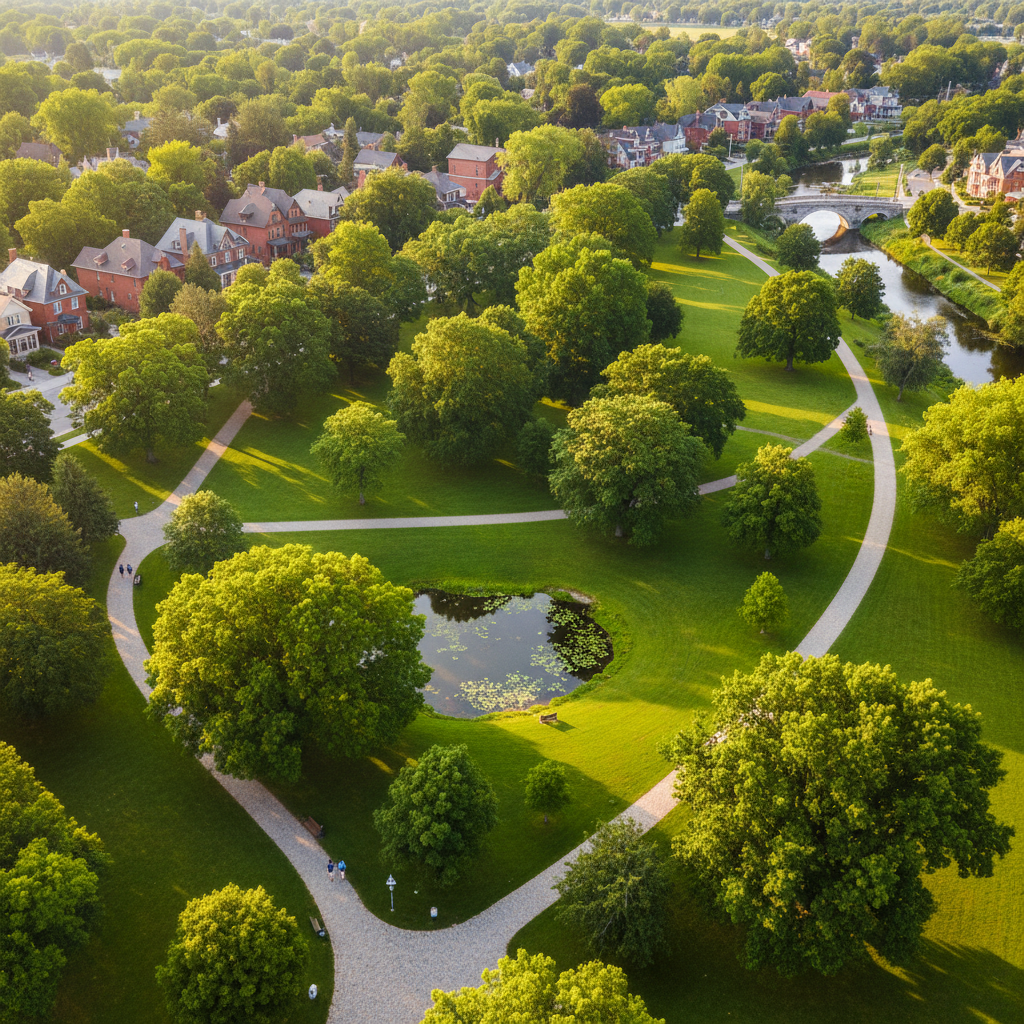
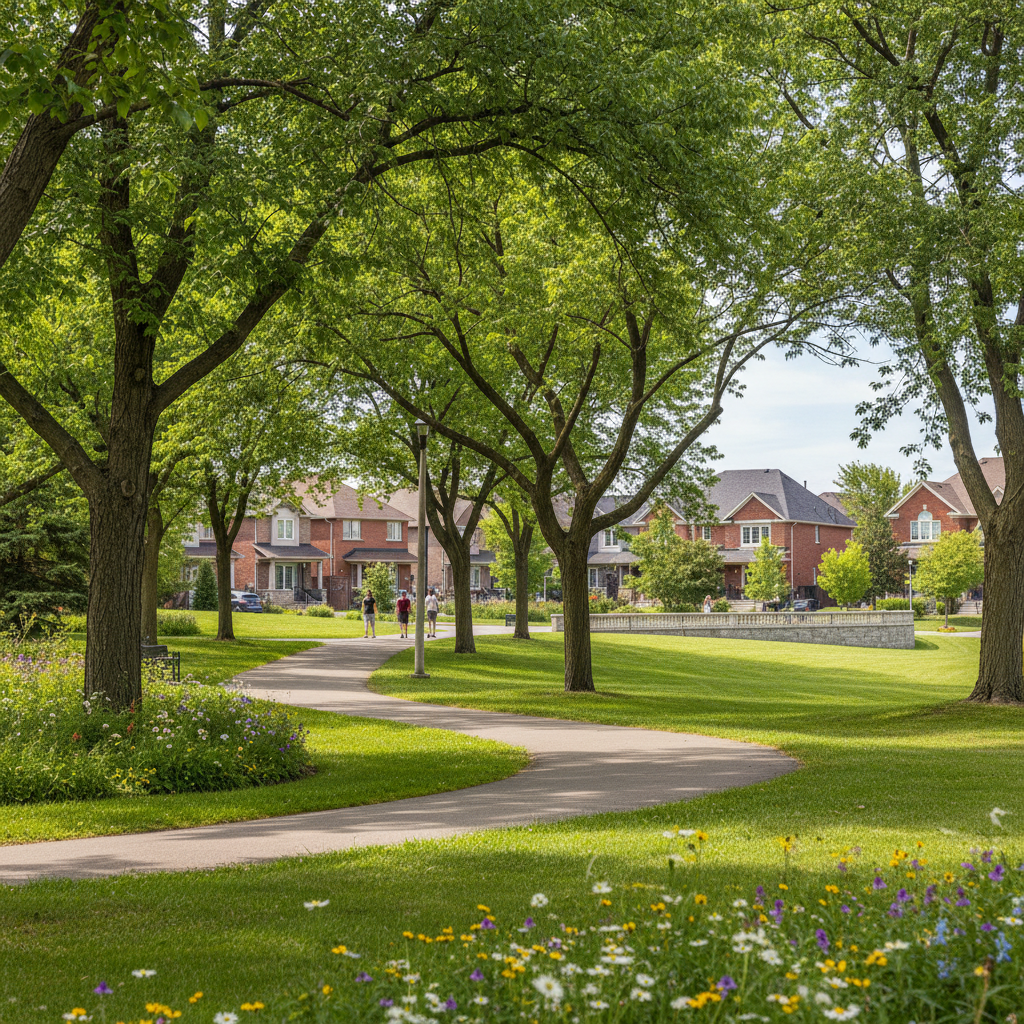
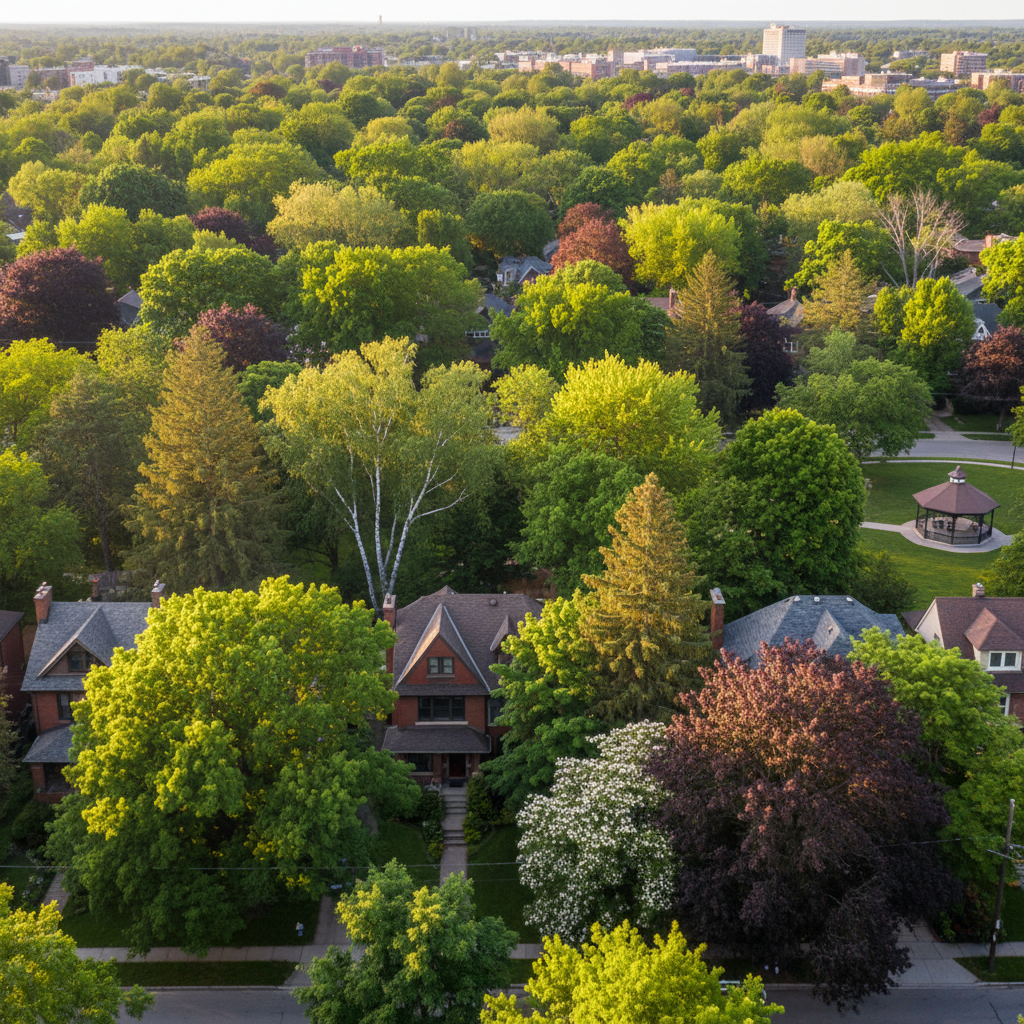
Every thriving community green space starts with a simple idea: what if this underused corner of our neighbourhood became something better? Across Ontario, residents are turning vacant lots, neglected park edges, and surplus municipal land into gardens, pocket parks, pollinator meadows, and gathering spaces. These projects improve air quality, support mental health, build social ties, and increase property values. But getting from idea to opening day takes planning, partnerships, and persistence.
This guide walks through the key steps for launching a community green space project in an Ontario context, covering everything from building your team to planting your first tree.
Start with a Core Team
The most successful projects begin with a small, committed group of three to eight people. This core team handles early planning, outreach, and decision-making. Look for a mix of skills: someone comfortable with municipal processes, someone who can rally volunteers, someone with gardening or landscape knowledge, and someone who can manage finances and grant applications.
Establishing a clear organizational structure early prevents confusion later. Many groups incorporate as a not-for-profit or partner with an existing community organization that can serve as a fiscal sponsor. This makes it easier to open a bank account, apply for grants, and enter lease agreements with landowners.
Identify and Assess a Site
Site preparation often begins with community clean-up days that build momentum and visibility for the project.
Finding the right site is one of the most important early decisions. Consider locations that are visible, accessible by foot or transit, and close to the people who will use the space most. Municipal surplus lands, schoolyards, church properties, and land owned by conservation authorities are all worth exploring.
Once you have a candidate site, assess it carefully:
- Ownership and zoning: Confirm who owns the land and what uses are permitted. Your municipal planning department can help clarify zoning.
- Soil quality: Especially on former industrial or commercial sites, soil testing for contaminants is essential. Ontario's Ministry of the Environment provides guidance on brownfield remediation.
- Drainage and sunlight: Observe the site across different weather conditions. Poor drainage can limit planting options, while heavy shade may rule out food gardens.
- Existing features: Mature trees, slopes, and existing paths are assets that can shape your design.
Engage the Community Early
The best green spaces reflect what the community actually wants and needs. Hold informal conversations, door-to-door outreach, and at least one public meeting before finalizing any plans. Ask open-ended questions: What do people wish they had nearby? What would bring them outdoors more often? What concerns do they have about a new public space?
Effective community engagement in public space planning does more than gather input. It builds ownership. When people feel their ideas shaped the space, they are far more likely to use it, maintain it, and advocate for it over the long term.
Design with Purpose
Collaborative design sessions help ensure the finished space meets diverse neighbourhood needs.
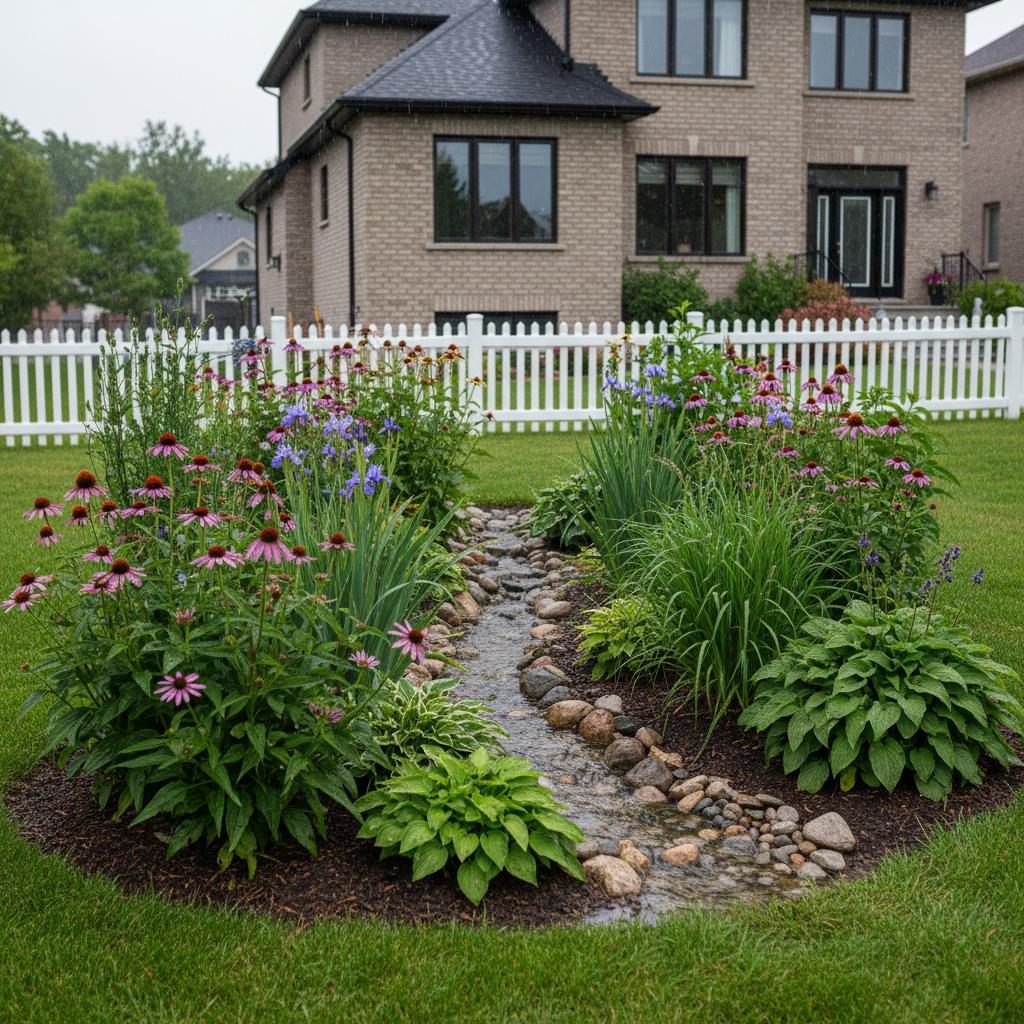
Green space design does not need to be complicated, but it should be intentional. Start by listing the primary functions you want the space to serve: gathering, play, food production, habitat, stormwater management, or some combination. Then sketch a simple layout that organizes those functions.
A few design principles that serve Ontario community projects well:
- Use native plants wherever possible. They require less water and maintenance, support local pollinators, and are adapted to Ontario's climate.
- Plan for four seasons. Include evergreens, winter-interest shrubs, and hardscaped gathering areas so the space feels welcoming year-round.
- Make it accessible. Pathways should be firm, stable, and wide enough for wheelchairs and strollers. Raised beds at seated height make gardening accessible to people with limited mobility.
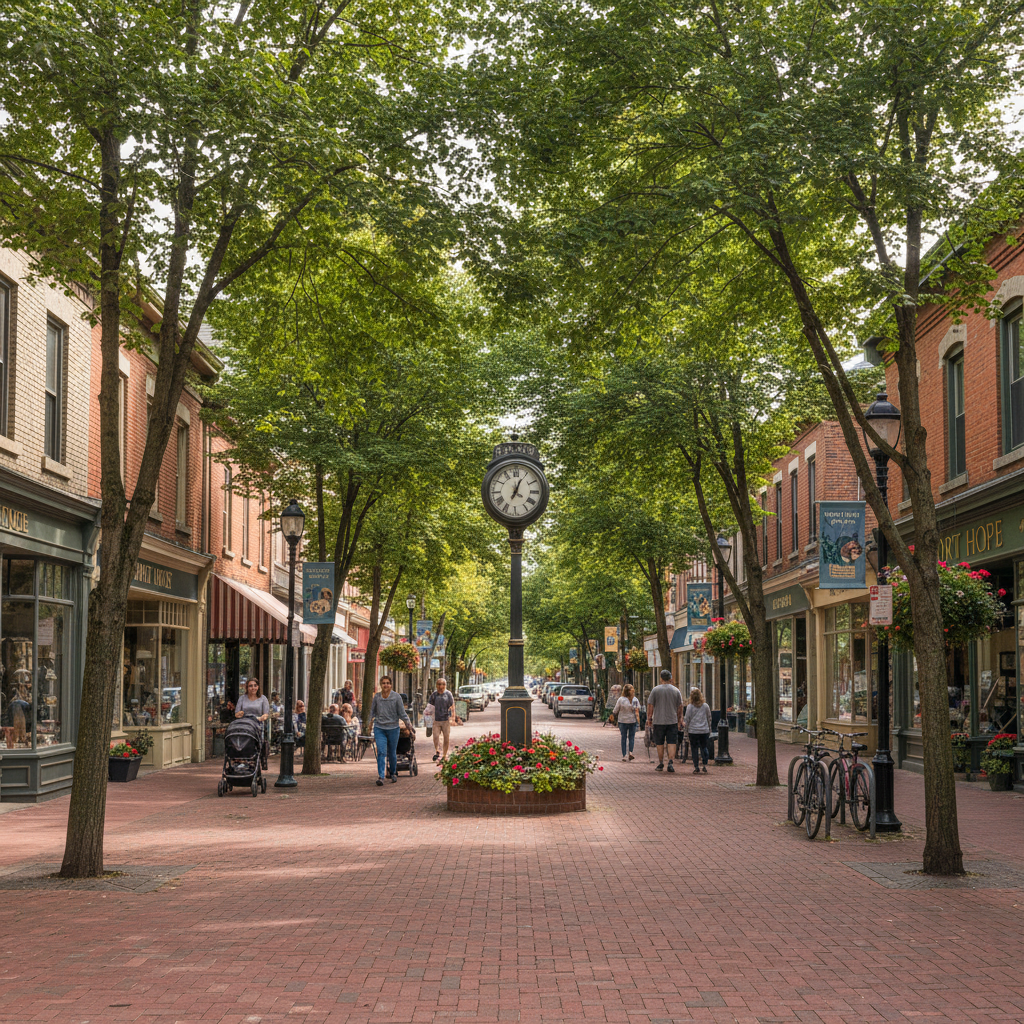
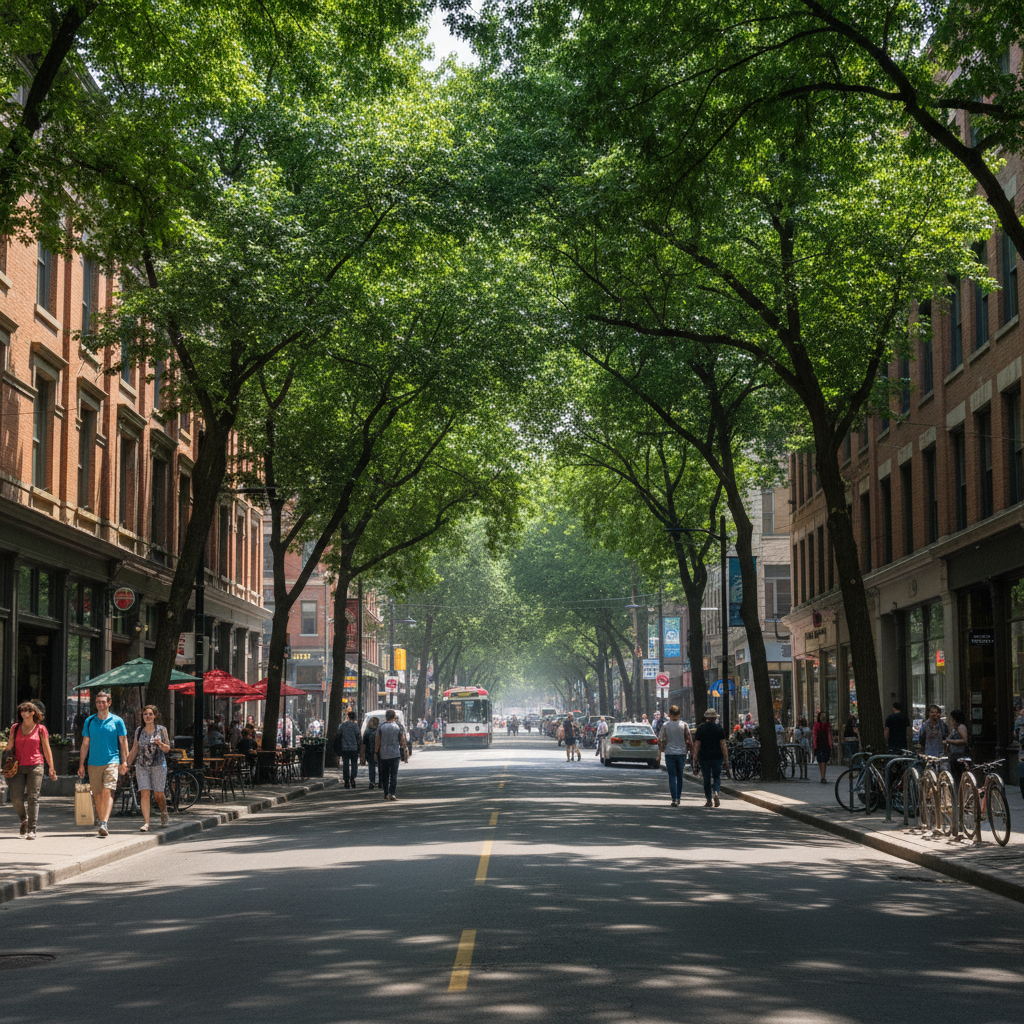
- Include shade. With rising summer temperatures, urban tree canopy and shade structures are not luxuries but necessities.
Secure Funding
Ontario offers several funding streams for community green space projects. Municipal community improvement grants, the Ontario Trillium Foundation, and TD Friends of the Environment are commonly used sources. Federal programs like the Green Municipal Fund also support larger infrastructure-related projects.
Beyond grants, consider fundraising events, corporate sponsorships, in-kind donations of materials and professional services, and crowdfunding campaigns. Many nurseries and landscape supply companies will donate plants and soil to visible community projects in exchange for recognition.
Budget realistically. Beyond construction costs, plan for at least three to five years of maintenance funding. A beautiful new space that falls into disrepair within two years does more harm than good to community morale.
Build, Plant, and Celebrate
Construction and planting are the most visible and exciting phases. Organize community planting days to involve as many hands as possible. These events create memories, photo opportunities for future grant applications, and a sense of collective accomplishment.
Spring and fall are the best planting seasons in Ontario. Avoid planting trees and perennials during the heat of July and August unless you can guarantee consistent watering. Mulch generously to retain moisture and suppress weeds during establishment.
Plan for Long-Term Stewardship
The grand opening is not the finish line. Establish a maintenance plan that assigns specific tasks (weeding, watering, litter removal, seasonal planting) to named volunteers or committees. Many successful Ontario projects use a "plot steward" model where individual volunteers take responsibility for defined areas of the space.
Revisit the design annually. After a year of real use, you will know what works, what needs adjustment, and what the community wants next. Green spaces are living projects that improve when they evolve over time.
Frequently Asked Questions
How much does it cost to start a community green space project?
Costs vary widely depending on the size and scope. A small pocket park or community garden can start with as little as $5,000 to $15,000, while larger park projects may require $50,000 or more. Many Ontario communities reduce costs through volunteer labour, donated materials, and provincial or municipal grants.
What permits do I need for a community green space in Ontario?
Requirements depend on your municipality and the scope of the project. At minimum, you will need landowner permission (or a lease agreement for municipal land), and you may need site plan approval, building permits for structures, and compliance with local zoning bylaws. Contact your municipal planning department early in the process.
How long does it take to complete a community green space project?
Most community green space projects take 12 to 24 months from initial planning to opening day. Smaller projects like community gardens can come together in 6 to 9 months, while larger park revitalizations may take several years when municipal approvals and phased construction are involved.
Can we build a green space on privately owned land?
Yes, with a formal agreement. Community land trusts, long-term leases, and conservation easements are all used in Ontario to secure private land for public green space. A written agreement that specifies maintenance responsibilities, liability, and duration is essential.