Trail Planning for Small Municipalities
Healthy Landscapes Ontario | November 10, 2025
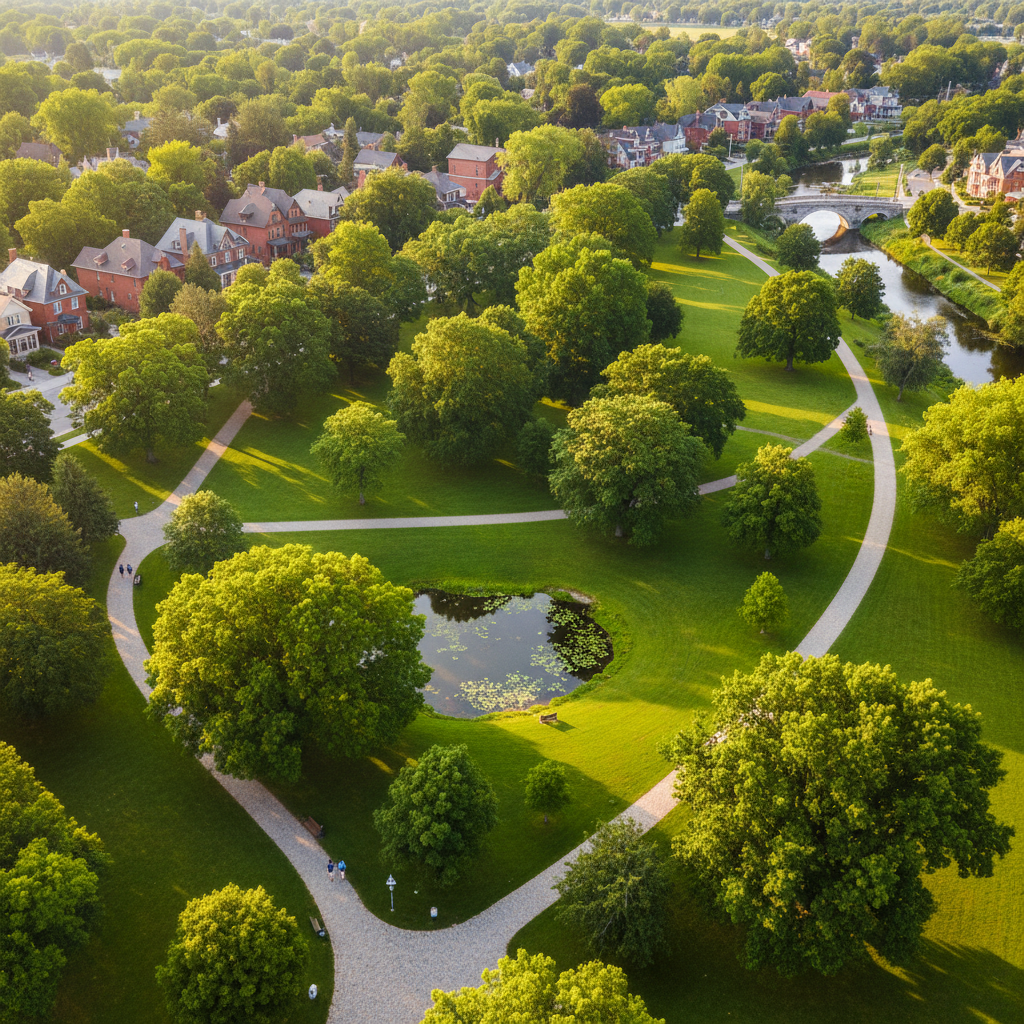
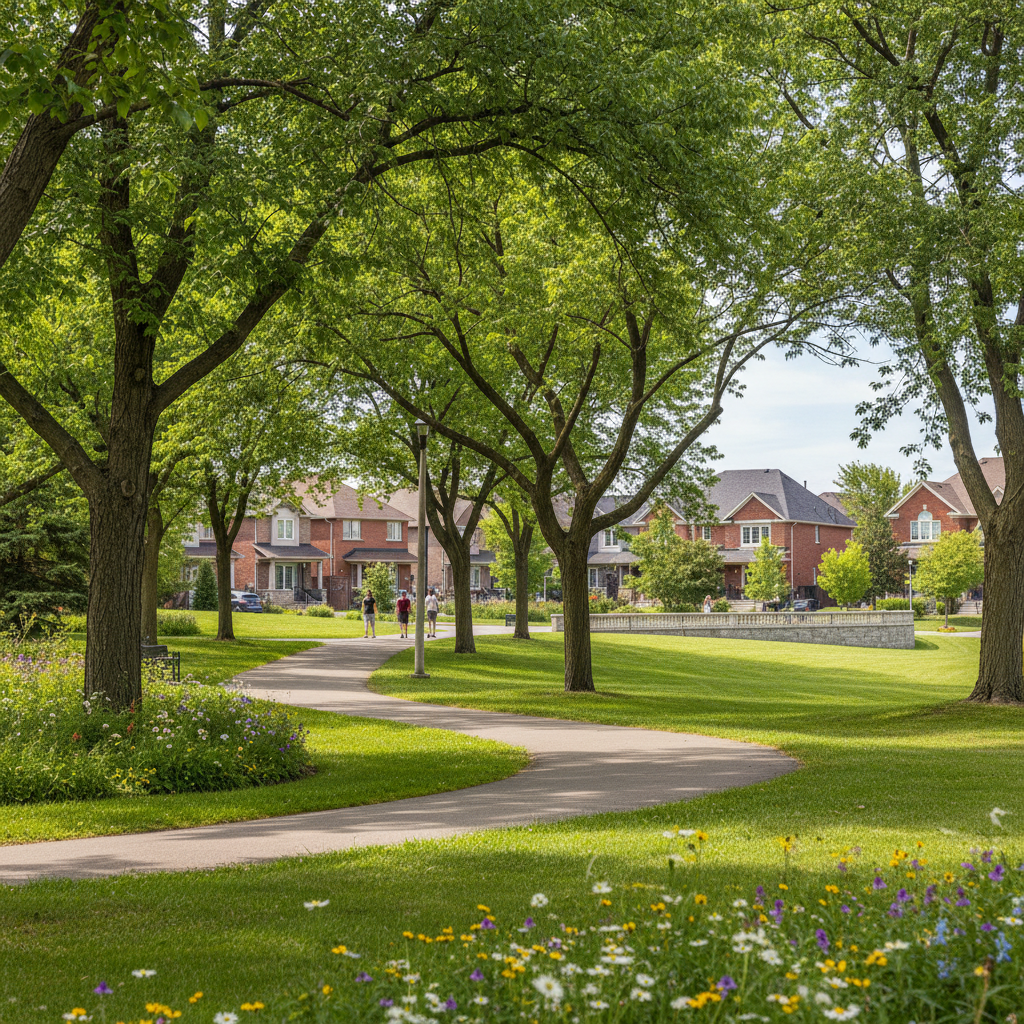
Even modest trail networks can transform how residents experience their community, encouraging daily walking, cycling, and connection with nature.
Trails are among the most popular and cost-effective public amenities a municipality can offer. In small Ontario towns and townships, a well-planned trail can connect neighbourhoods to schools, parks, and commercial areas while providing residents with safe, attractive routes for walking, cycling, and recreation. Unlike many municipal infrastructure projects, trails generate immediate and visible benefits that residents of all ages appreciate.
But planning a trail in a small municipality comes with distinct challenges: limited budgets, small staff, complex land ownership patterns, and competing infrastructure priorities. This guide addresses those realities with practical advice drawn from successful Ontario trail projects.
Start with a Clear Purpose
Before selecting a route or surface type, clarify what your trail is meant to accomplish. Is it primarily a transportation connection (linking residential areas to downtown or schools)? A recreational amenity (a loop through natural areas)? An economic development tool (attracting visitors to a scenic corridor)? Most trails serve multiple purposes, but understanding the primary one helps guide every decision that follows.
Engaging the community early in this process matters enormously. Public meetings, online surveys, and conversations with key stakeholders (schools, seniors groups, business associations, conservation authorities) will reveal both demand and potential obstacles. Our guide to community engagement covers practical approaches to this process.
Route Selection
Route selection is where trail planning gets real. The ideal route is direct, scenic, avoids steep grades, connects to destinations people actually want to reach, and crosses as little private land as possible. In practice, compromises are inevitable.
Look first at land your municipality already controls:
- Road allowances: Many Ontario municipalities have unopened road allowances that can be converted to trail corridors.
- Utility corridors: Hydro and gas easements are sometimes available for trail use through agreements with utility companies.
- Abandoned rail lines: Ontario has hundreds of kilometres of former rail corridors, many of which make excellent trail routes. The Trans Canada Trail and many local trails use these corridors.
- Municipal parkland: Connecting existing parks with trail links creates a network more valuable than the sum of its parts.
- Conservation authority lands: Many conservation areas welcome trail connections, and conservation authorities can be strong planning partners.
Abandoned rail corridors offer flat, direct routes that are ideal for multi-use trails connecting communities across rural Ontario.
Design and Surface Selection
The right trail surface depends on the intended uses, budget, terrain, and maintenance capacity of your municipality.
- Natural surface (earth, wood chips): Lowest cost but limited accessibility and requires frequent maintenance. Best for nature trails in low-traffic areas.
- Granular (crushed limestone or granite fines): The workhorse surface for most small-municipality trails. Affordable, comfortable for walking, and accessible when well-maintained. Costs approximately $30 to $80 per linear metre.
- Asphalt: Preferred for high-traffic multi-use trails where cyclists, strollers, and wheelchair users need a smooth, firm surface. Higher upfront cost ($150 to $350 per linear metre) but lower long-term maintenance.
- Boardwalk: Necessary for crossing wetlands or environmentally sensitive areas. Expensive but minimizes habitat disturbance.
Regardless of surface, consider accessibility from the start. The Accessibility for Ontarians with Disabilities Act (AODA) establishes standards for public trails, including minimum widths, maximum slopes, and surface requirements. Building to these standards from the beginning is far cheaper than retrofitting later.
Funding Your Trail
Small municipalities rarely have the capital budget to fund a trail entirely from general revenue. A blended funding strategy is typically necessary:
- Provincial and federal grants: The Ontario Trillium Foundation, Canada Community Revitalization Fund, and the Investing in Canada Infrastructure Program all fund trail projects.
- County or regional active transportation plans: If your upper-tier municipality has an active transportation plan, trail projects that align with it may qualify for county funding.
- Development charges: Requiring trail construction or cash-in-lieu contributions as conditions of new development ensures growth pays for the trail infrastructure it generates demand for.
- Community fundraising: "Buy a metre" campaigns, memorial bench programs, and local business sponsorships can supplement grant funding while building community ownership.
- In-kind contributions: Municipal public works departments can often prepare the trail bed, and service clubs or corporate volunteer groups can handle planting and minor construction.
Environmental and Cultural Considerations
Trail routes through natural areas require environmental assessment. In Ontario, trails near watercourses, wetlands, or habitat of species at risk may trigger requirements under the Endangered Species Act, the Conservation Authorities Act, or federal fisheries legislation. Consult your local conservation authority early, as they can identify constraints and often help with environmental planning.
Indigenous consultation is also important, particularly when trails cross traditional territories or may affect cultural heritage sites. Early, respectful engagement with relevant First Nations and Indigenous communities is both a legal obligation and good practice.
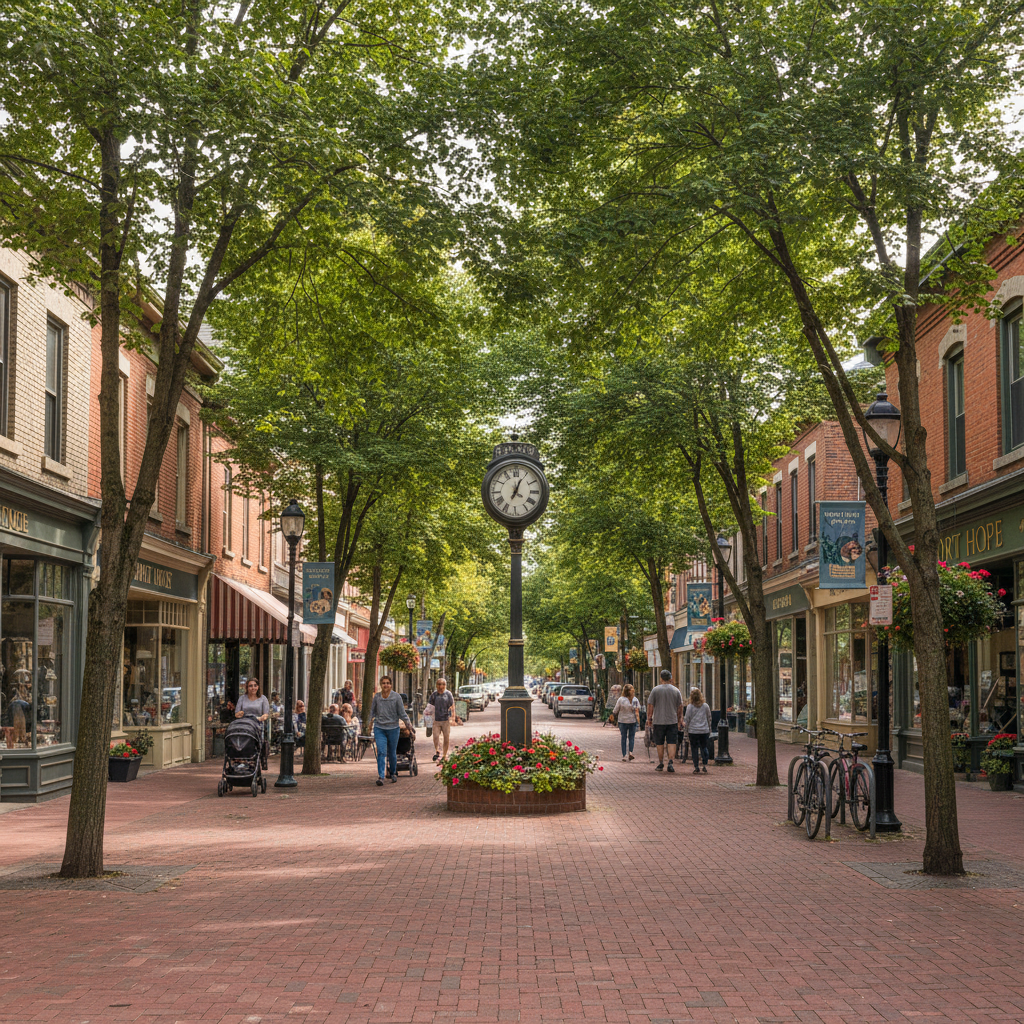
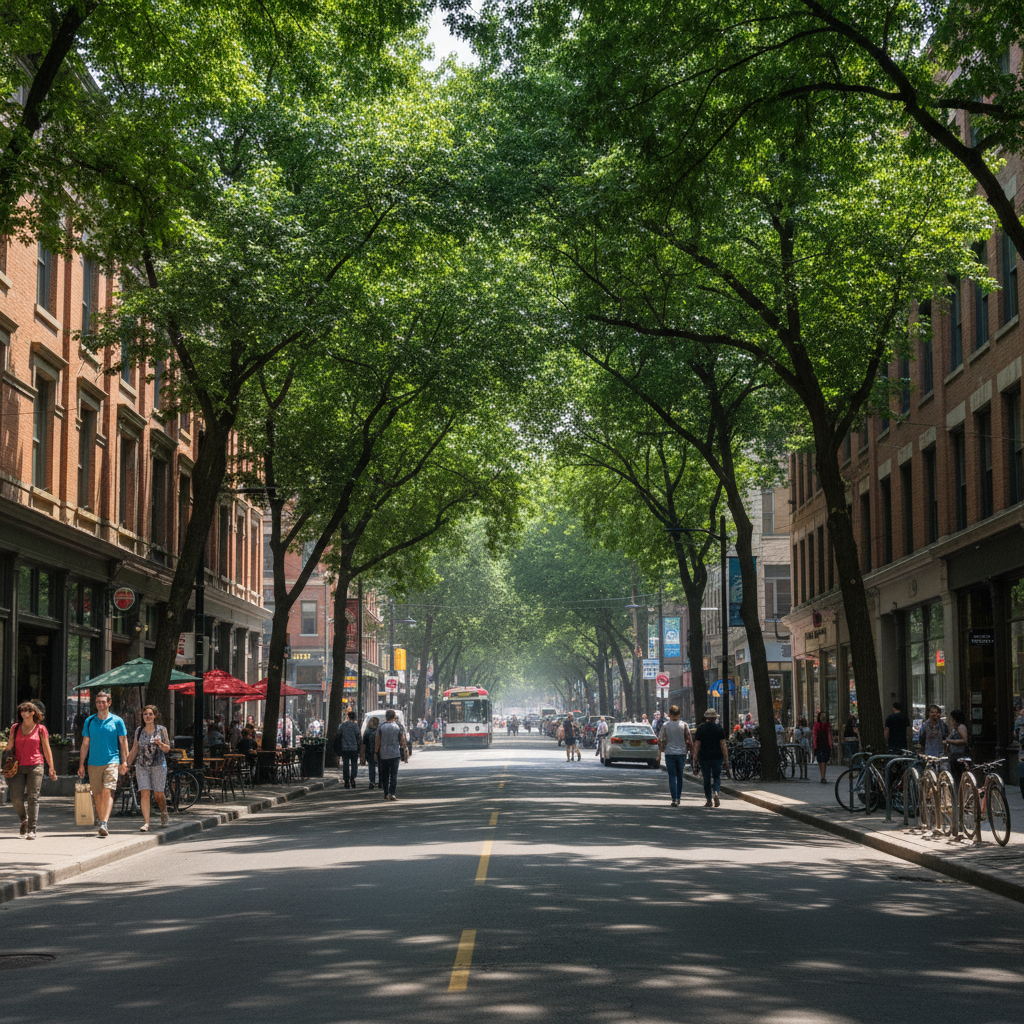
Trails that connect to downtown areas support local businesses by increasing foot traffic and making car-free trips practical.
Maintenance and Stewardship
A trail that is not maintained is a trail that will not be used. Before building, ensure your municipality has a realistic plan for ongoing maintenance. This includes regular surface grading or sweeping, mowing of trail edges, trimming of overhanging branches, bridge and boardwalk inspections, and signage upkeep.
Many small Ontario municipalities supplement staff maintenance with volunteer trail stewardship programs. "Adopt a trail" models, where local groups take responsibility for monitoring and light maintenance on specific sections, are effective and build community connection to the trail network.
Building in Phases
One of the most practical strategies for small municipalities is phased construction. Build the highest-priority section first, the one that connects the most people to the most important destination, and let public enthusiasm and demonstrated use build support for subsequent phases. A completed 2-kilometre section that people love is a more powerful argument for continued investment than a 10-kilometre plan that exists only on paper.
Trails are among the best investments a small municipality can make in community health, quality of life, and economic vitality. With careful planning, community involvement, and a willingness to build in stages, even the smallest Ontario township can develop a trail network that residents will use and value for generations.
Frequently Asked Questions
How wide should a municipal trail be?
Multi-use trails that accommodate cyclists and pedestrians should be 3 to 3.6 metres wide. Pedestrian-only trails can be narrower, at 1.5 to 2 metres. Accessibility standards in Ontario require a minimum clear width of 1.5 metres for accessible paths of travel.
How much does it cost to build a trail?
Costs range widely depending on surface type and terrain. A basic granular trail costs approximately $30 to $80 per linear metre. An asphalt multi-use trail typically costs $150 to $350 per linear metre. Boardwalks through wetlands can exceed $500 per linear metre. These estimates exclude land acquisition and major bridge structures.
What funding is available for trail projects in Ontario?
Common sources include the Ontario Trillium Foundation, the Canada Community Revitalization Fund, the Ontario Community Infrastructure Fund, and the Investing in Canada Infrastructure Program. Local conservation authorities and county-level active transportation plans may also provide funding or in-kind support.
How do we handle trails that cross private land?
Options include purchasing an easement, negotiating a licence agreement, or acquiring the land outright. Ontario municipalities can also use the Occupiers Liability Act provisions that reduce liability for landowners who permit recreational access. A clear legal agreement is always necessary to protect both the landowner and the municipality.