Climate Resilience Starts at the Community Level
Healthy Landscapes Ontario | October 15, 2025
Climate change is no longer a future concern for Ontario communities. It is a present reality. Heat waves are lasting longer and arriving earlier. Intense rainstorms are overwhelming storm sewers. Ice storms and high winds are damaging tree canopies that took decades to grow. And while provincial and federal policies play an important role, some of the most effective resilience strategies are being developed and deployed right at the neighbourhood level.
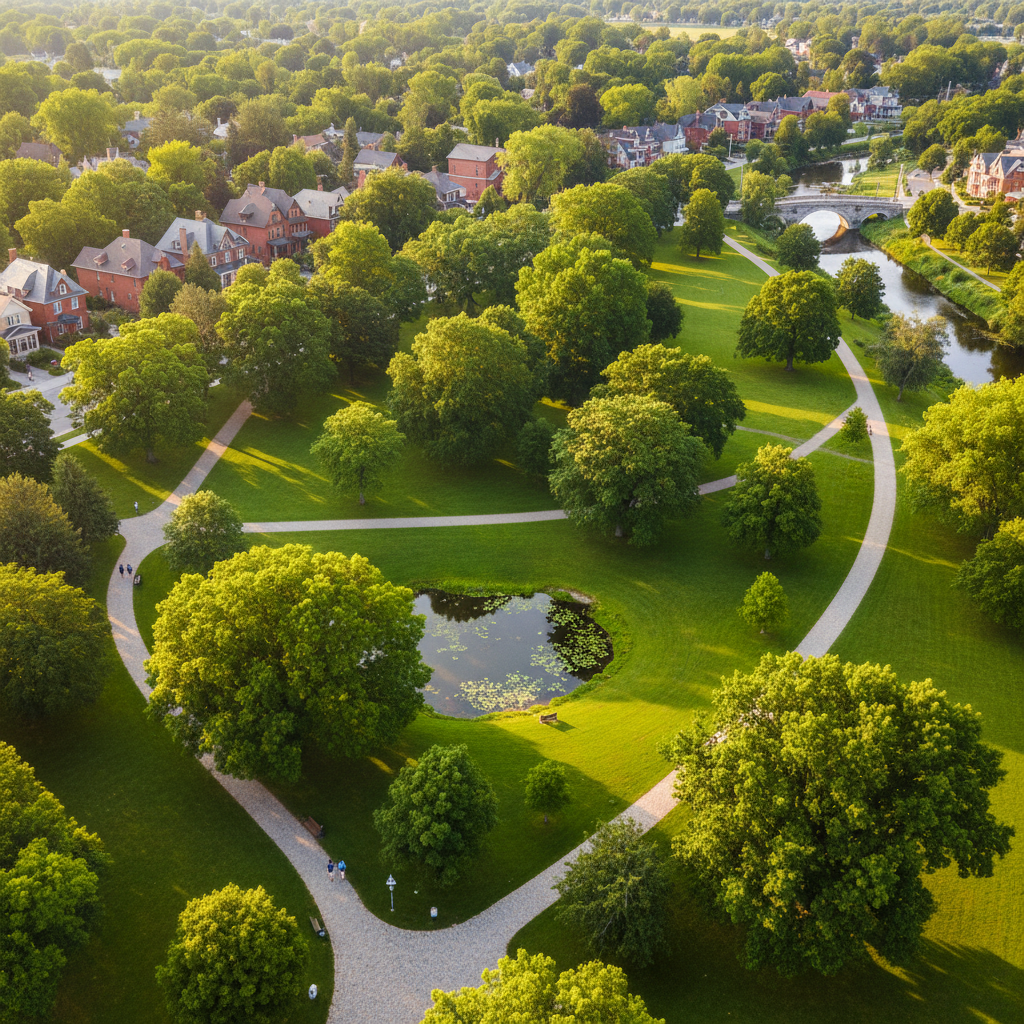
Community-level climate resilience is about making everyday landscapes work harder. It means planting trees that will shade sidewalks in 15 years, installing rain gardens that absorb stormwater before it reaches overloaded sewers, and designing public spaces that remain functional and comfortable even as temperatures climb. These strategies do not require massive budgets. They require attention, planning, and a willingness to think about landscape as infrastructure.
What Climate Challenges Are Ontario Communities Facing?
Ontario's climate is shifting in ways that directly affect how neighbourhoods function. Average temperatures in southern Ontario have risen by approximately 1.4 degrees Celsius over the past century, and projections suggest further warming of 2 to 4 degrees by mid-century. This may sound modest, but the effects on extreme weather events are significant.
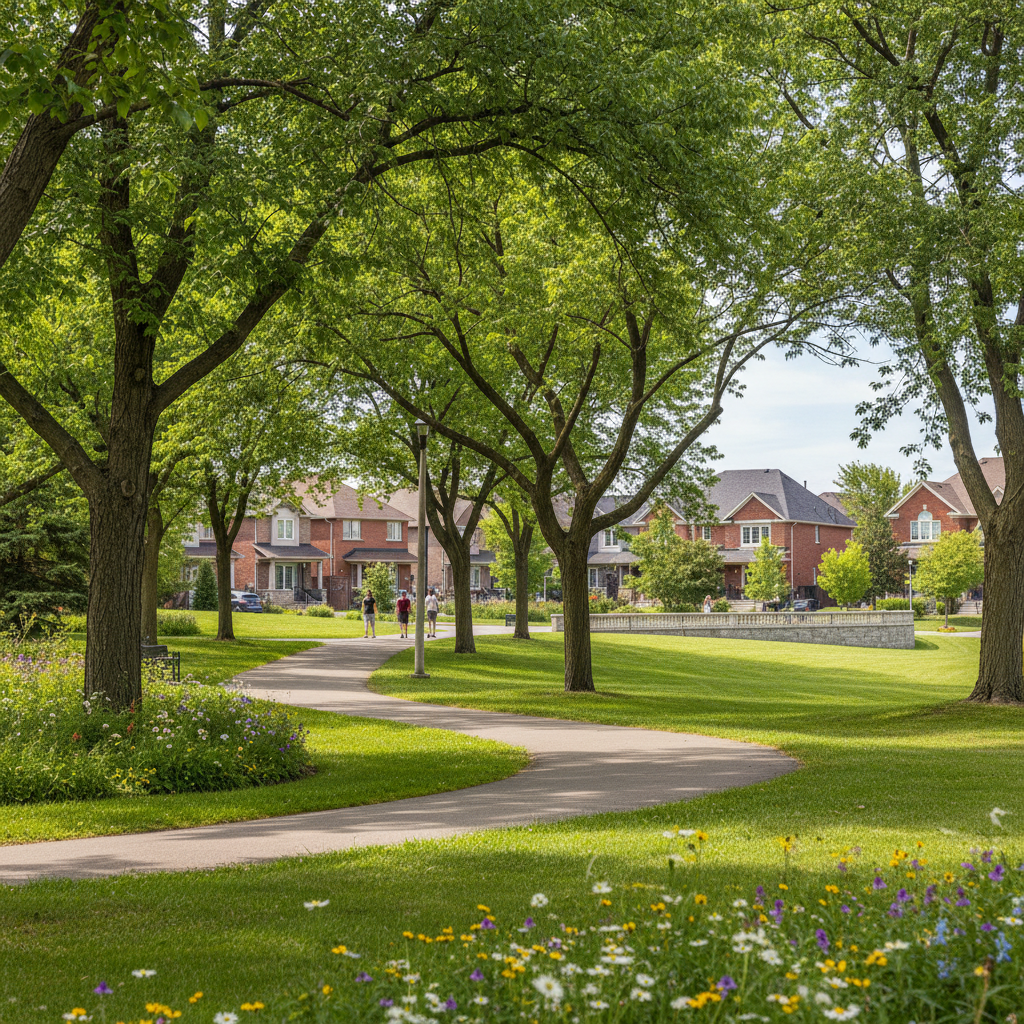
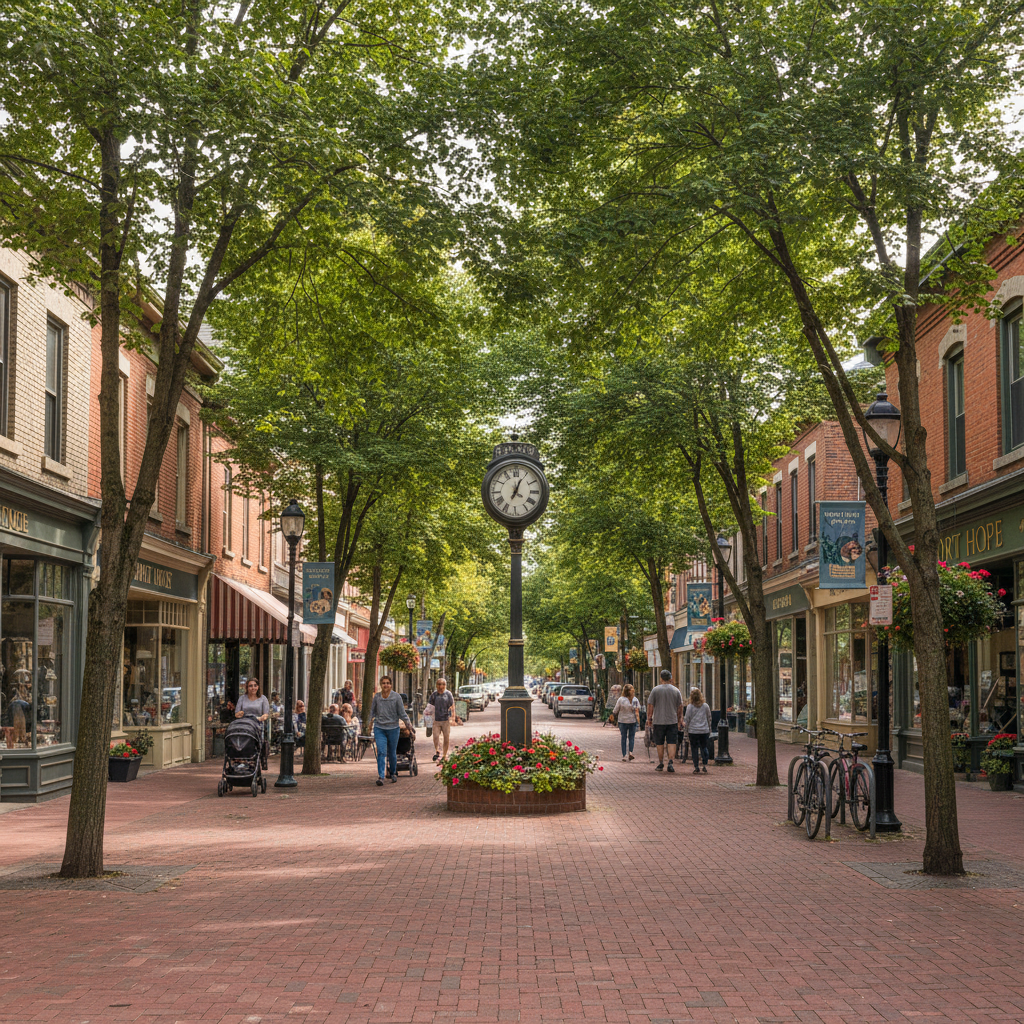
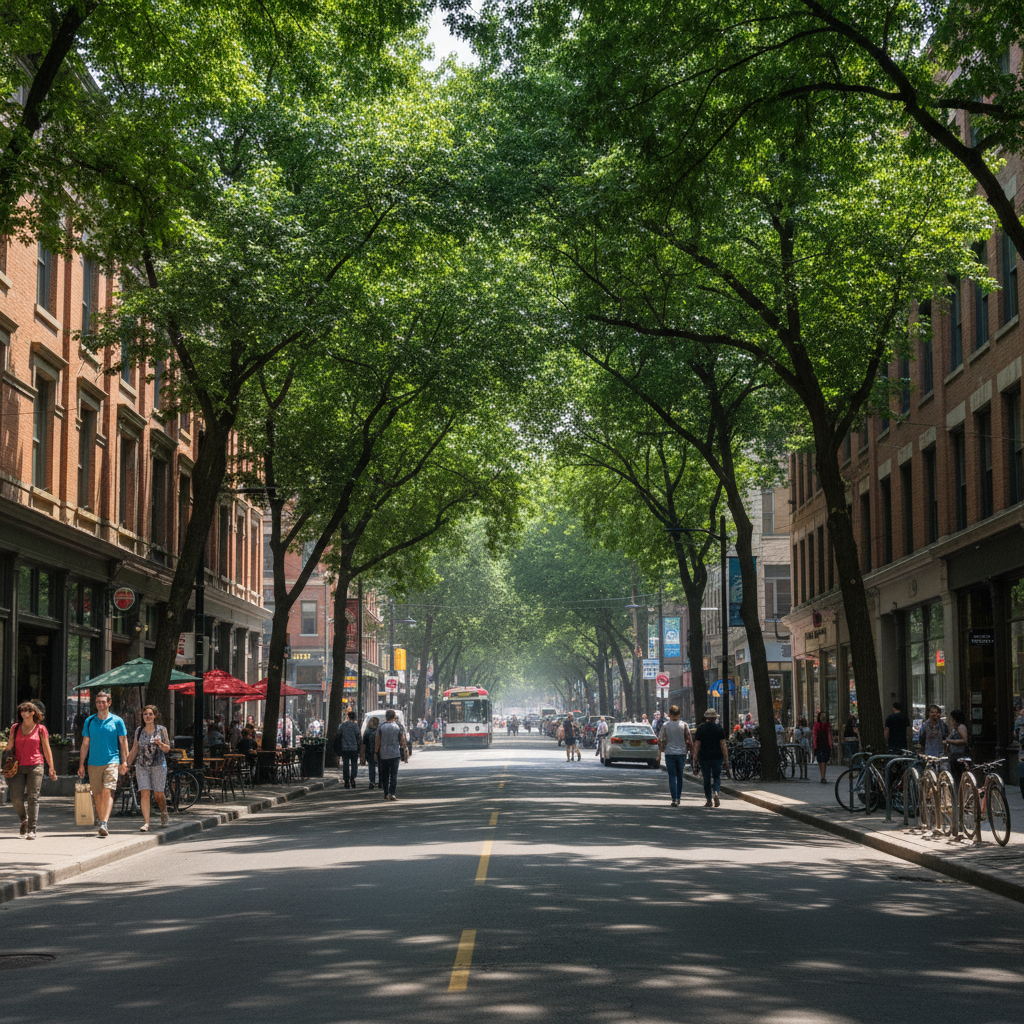
Urban heat islands, areas where paved surfaces and buildings trap heat, are expanding in Ontario's cities. During the July 2024 heat events, surface temperatures in some Toronto neighbourhoods exceeded 50 degrees Celsius, while nearby areas with mature tree canopy remained 10 to 15 degrees cooler. This temperature difference is not merely about comfort. It affects respiratory health, cardiovascular stress, and the safety of outdoor workers and vulnerable residents.
A single mature tree can provide the cooling equivalent of 10 room-sized air conditioners running for 20 hours.
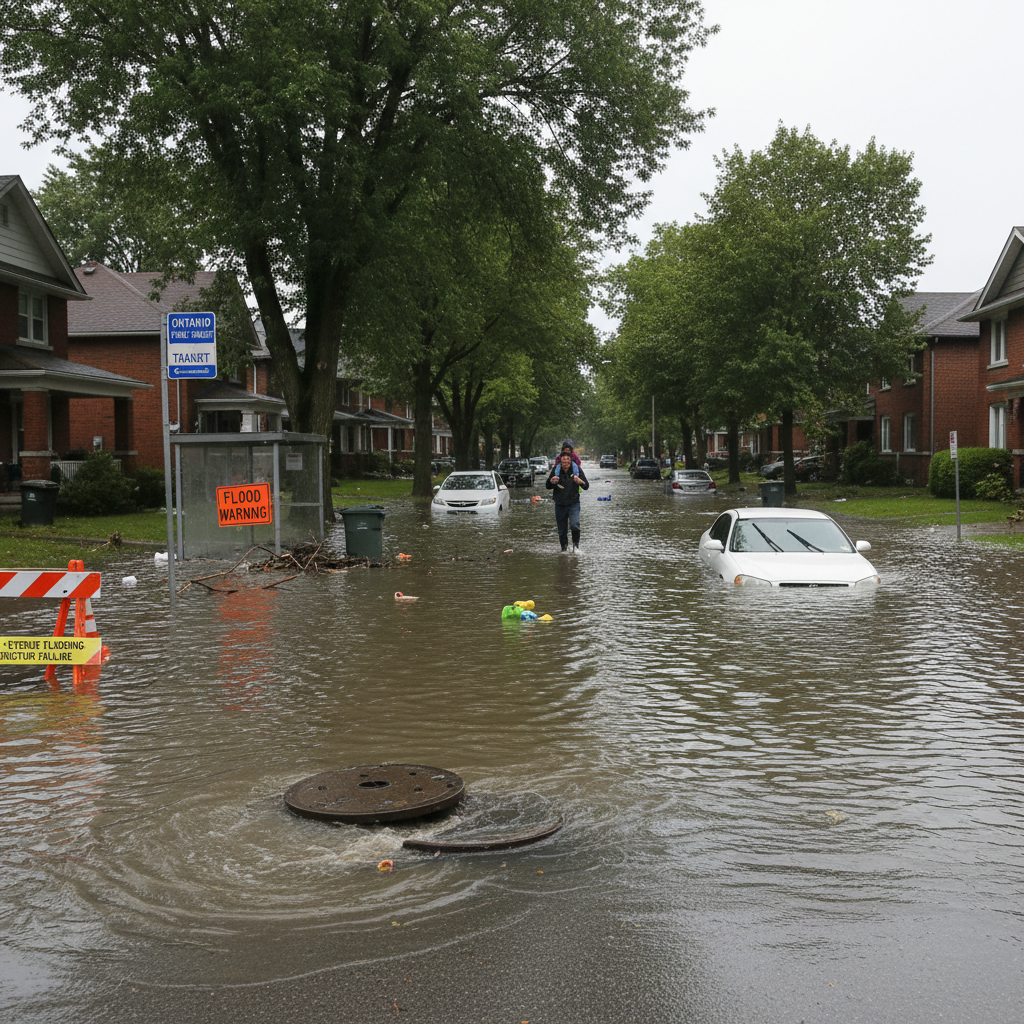
Stormwater is the other pressing challenge. Ontario has seen a marked increase in high-intensity rainfall events, the kind that dump 50 to 100 millimetres in a few hours. Traditional storm sewer systems were not designed for these volumes, leading to basement flooding, road washouts, and contaminated runoff reaching lakes and rivers. Communities like Burlington and Windsor have experienced repeated flood damage that has cost homeowners and municipalities millions of dollars.
How Do Nature-Based Solutions Build Resilience?
Nature-based solutions work by mimicking or restoring natural processes that manage heat, water, and wind. Unlike grey infrastructure, which uses concrete and steel, nature-based approaches use living systems: trees, plants, soil, and water features. The advantages are significant. They are often less expensive to install and maintain, they improve over time as plants grow, and they deliver multiple benefits simultaneously.
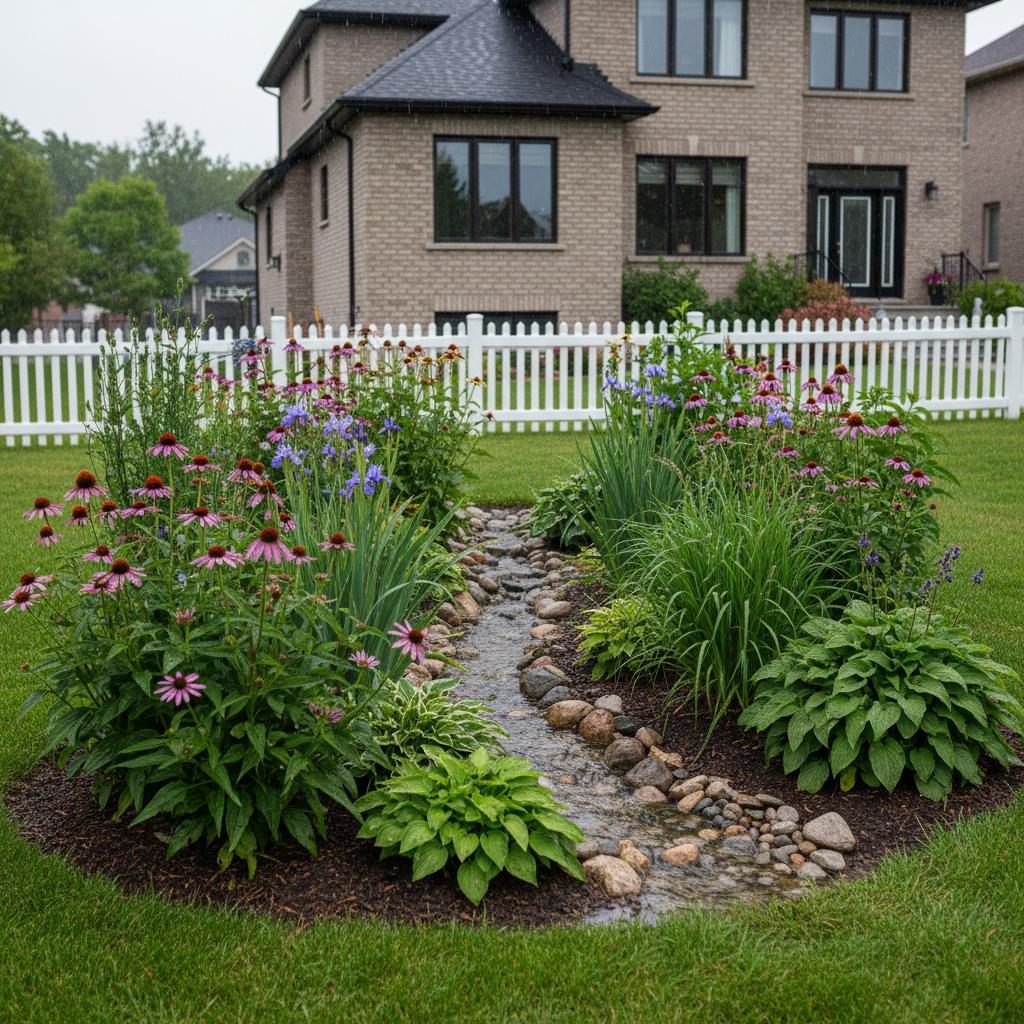
A rain garden, for example, does not just absorb stormwater. It filters pollutants, recharges groundwater, provides habitat for pollinators, and adds visual beauty to a streetscape. A mature shade tree does not just cool its immediate surroundings. It filters air, sequesters carbon, reduces wind speed, and raises property values. These overlapping benefits make nature-based solutions remarkably cost-effective compared to single-purpose grey infrastructure.
The Federation of Canadian Municipalities' Green Municipal Fund has supported dozens of nature-based infrastructure projects in Ontario, from bioswales in Mississauga to permeable parking surfaces in Kingston. These projects demonstrate that communities of all sizes can integrate natural solutions into their infrastructure planning.
Rain Gardens and Bioswales
Rain gardens are shallow, planted depressions designed to capture and absorb stormwater runoff from roofs, driveways, and roads. They can be as small as a garden bed or as large as a median strip. In Ontario, rain gardens are increasingly being incorporated into new subdivision designs and retrofitted into existing streetscapes.
Bioswales serve a similar function on a larger scale, channelling and filtering runoff along linear corridors. Together, these features reduce the volume of water reaching storm sewers, lowering flood risk while improving water quality in receiving streams and lakes.
Permeable Surfaces and Green Infrastructure
Permeable paving allows rainwater to infiltrate the ground, reducing runoff and recharging local groundwater supplies.
Traditional pavement creates an impervious barrier that forces all rainfall into storm sewers. Permeable alternatives, including porous asphalt, permeable pavers, and gravel surfaces, allow water to seep through into the ground below. In Ontario's freeze-thaw climate, permeable surfaces require careful design and maintenance, but when installed correctly they significantly reduce runoff and improve groundwater recharge.
Green roofs and green walls are another form of green infrastructure gaining traction in Ontario. Toronto's Green Roof Bylaw, one of the first in North America, requires green roofs on new commercial and institutional buildings above a certain size. These living surfaces absorb rainfall, insulate buildings, reduce urban heat island effects, and provide habitat for birds and insects.
What Role Do Residents Play in Community Resilience?
Municipal governments lead large-scale resilience planning, but residents contribute in essential ways. Property-level actions, when multiplied across a neighbourhood, create measurable change. Planting a shade tree in a front yard, disconnecting a downspout to direct water onto a lawn, replacing a concrete driveway with permeable pavers, and choosing native plants that support local pollinators all contribute to the resilience of the broader community.
Community groups are also stepping up. In Guelph, the Pollinator Paradise Project has converted dozens of residential lawns into pollinator-friendly gardens that also absorb stormwater. In Ottawa, neighbourhood associations have organized street tree planting campaigns that are gradually increasing canopy cover in lower-income areas.
These grassroots efforts work best when they align with municipal planning. Communities where residents and local government collaborate on resilience, sharing data, coordinating planting programs, and integrating resident-led projects into official plans, tend to achieve more durable results.
How Can Small Towns and Rural Communities Build Resilience?
Climate resilience is not only an urban concern. Small towns and rural communities across Ontario face their own challenges, from road washouts on gravel side roads to agricultural drainage systems overwhelmed by intense rainfall. Many smaller municipalities have limited staff and budgets for climate adaptation, making nature-based solutions particularly attractive because of their lower cost and simpler maintenance requirements.
Conservation authorities play a critical role in supporting rural resilience. Through flood mapping, watershed planning, and technical assistance, organizations like the Rideau Valley Conservation Authority and the Nottawasaga Valley Conservation Authority help smaller communities understand their climate vulnerabilities and develop practical response strategies.
Tree planting programs, naturalized drainage ditches, and wetland restoration are all nature-based approaches that work well in rural and small-town settings. They protect roads, reduce flooding on agricultural land, and improve the ecological health of waterways that downstream communities depend on.
Building Resilience Over Time
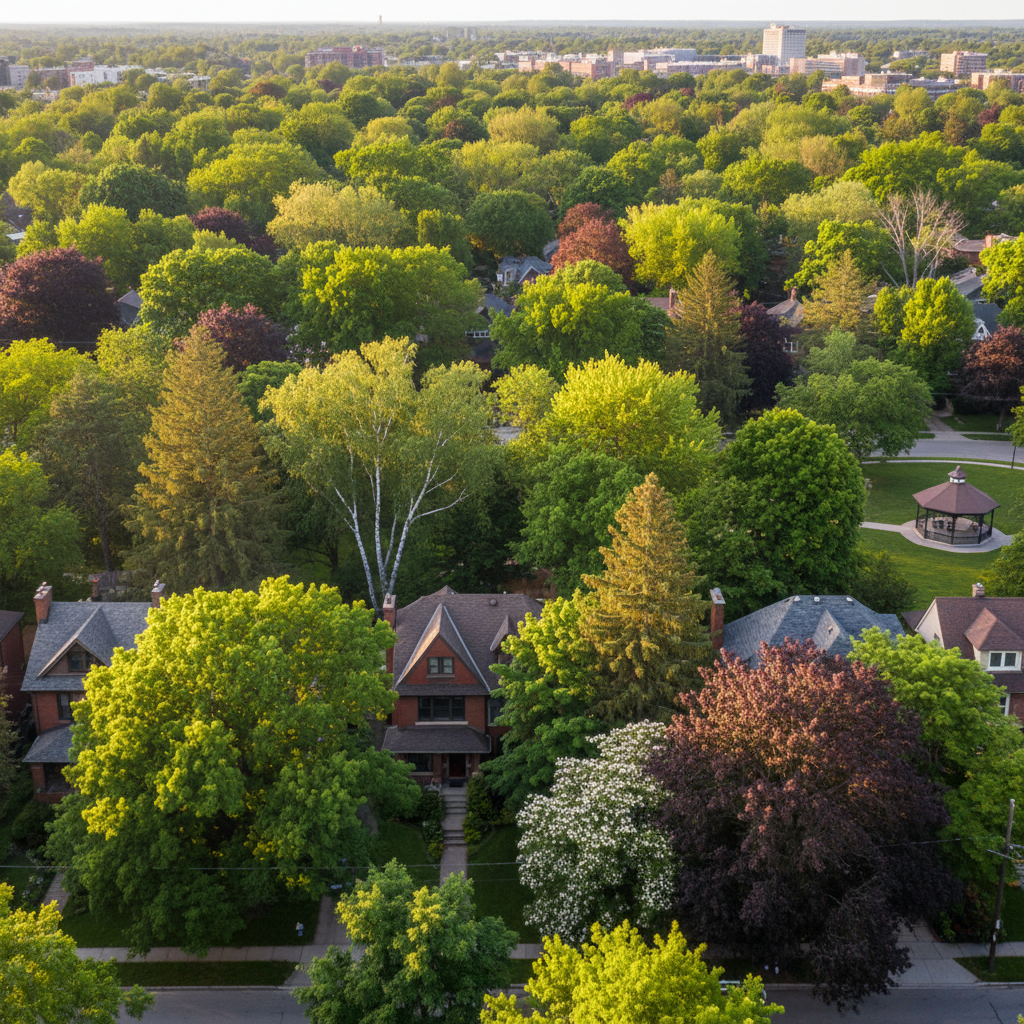
Climate resilience is not a single project or policy. It is a long-term commitment to designing and maintaining landscapes that can absorb the shocks of a changing climate. Every tree planted today will be providing shade, filtering air, and absorbing stormwater for decades. Every rain garden installed reduces flood risk for years to come.
Ontario communities that start now, even with modest steps, will be better positioned to handle the climate challenges ahead. The key is to think about landscape as infrastructure and to invest in the natural systems that make communities cooler, drier, and more livable for everyone.
Frequently Asked Questions
What does climate resilience mean at the community level?
Community-level climate resilience refers to the ability of a neighbourhood or municipality to absorb and recover from climate impacts like extreme heat, flooding, and storms through built and natural infrastructure, social networks, and adaptive planning.
What are nature-based solutions for climate resilience?
Nature-based solutions use natural systems to address climate challenges. Examples include rain gardens that absorb stormwater, urban tree canopies that reduce heat, permeable surfaces that prevent flooding, and wetlands that buffer communities from storm surges.
How can homeowners contribute to climate resilience in Ontario?
Homeowners can plant shade trees, install rain gardens or rain barrels, replace impervious surfaces with permeable alternatives, choose native plants that support local ecosystems, and disconnect downspouts to reduce stormwater runoff into overburdened sewers.
Which Ontario communities are leading on climate resilience?
Many Ontario municipalities are advancing resilience strategies. Toronto, Ottawa, and Waterloo Region have adopted comprehensive climate adaptation plans. Smaller communities like Guelph and Peterborough are also integrating green infrastructure into their planning processes.