Why Green Space Matters for Community Wellbeing in Ontario
Healthy Landscapes Ontario | September 15, 2025
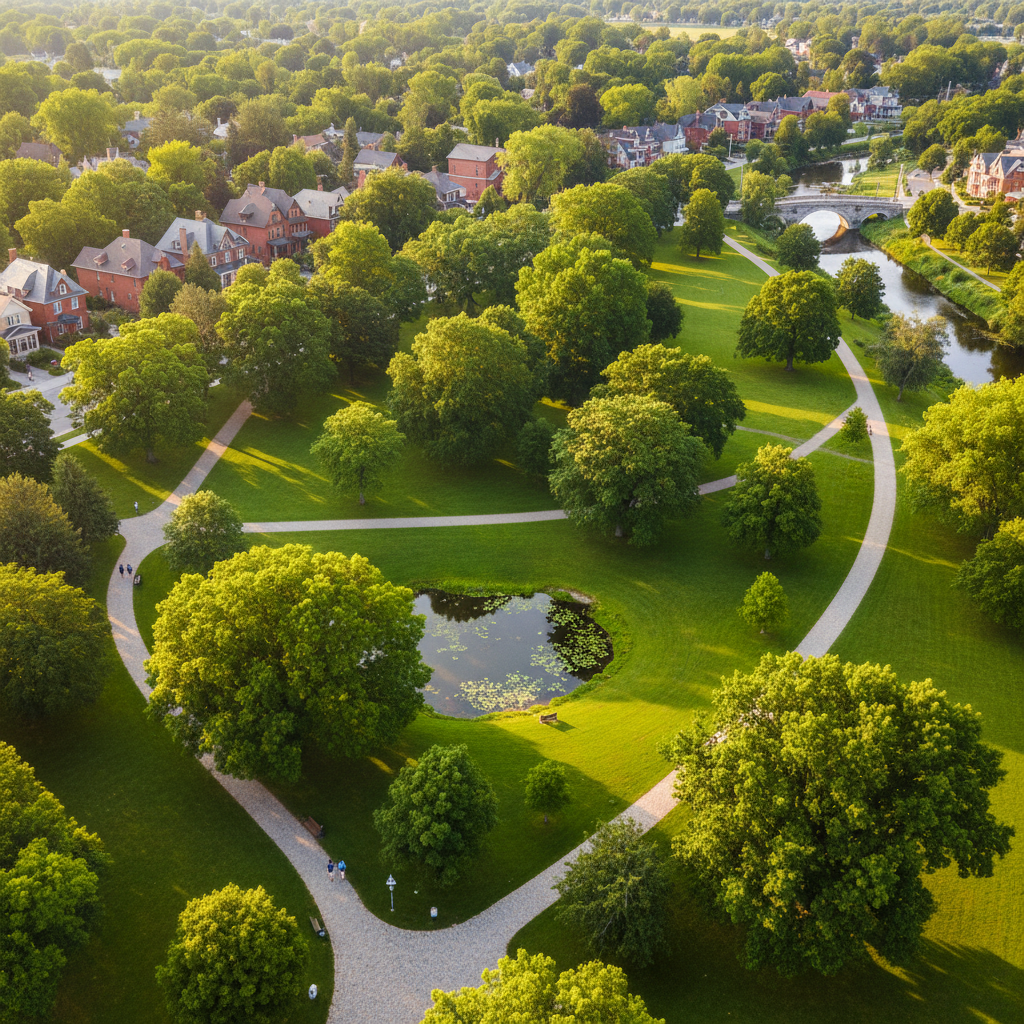
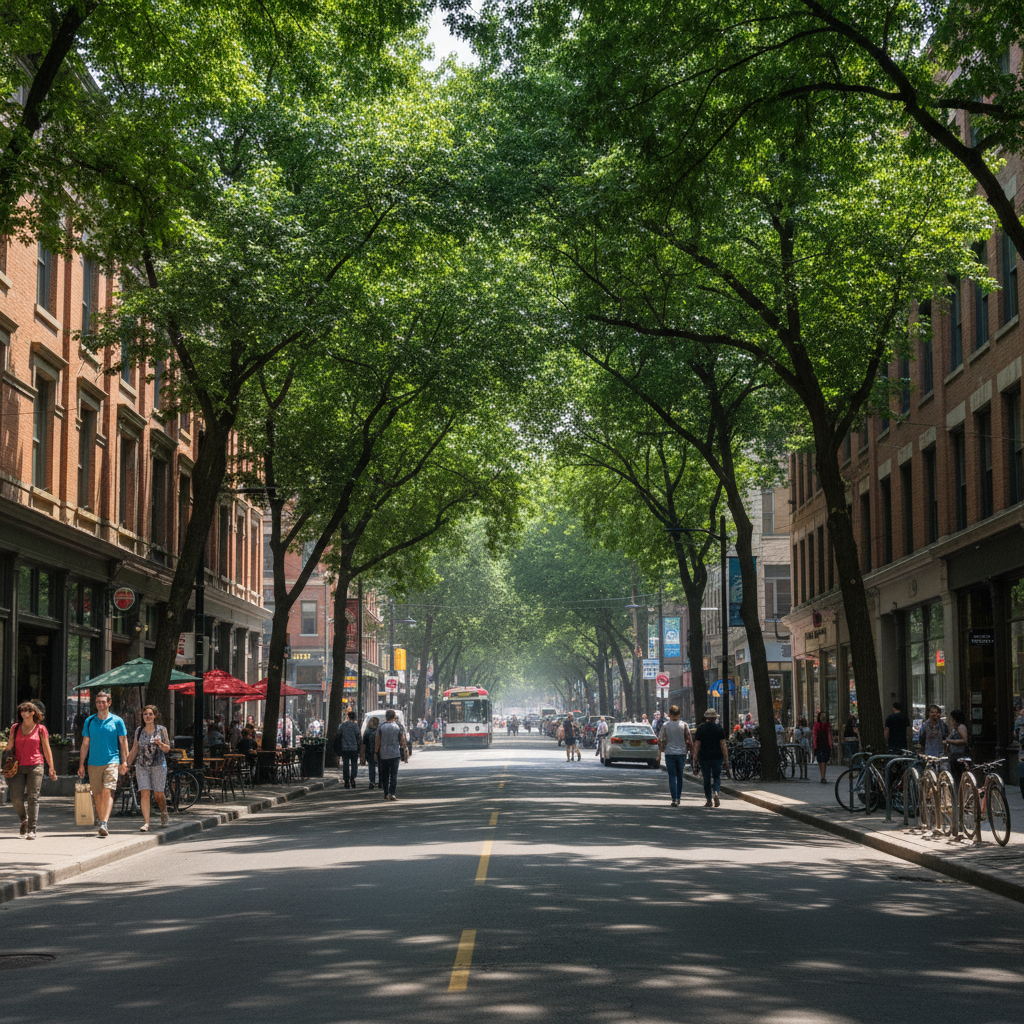
Walk through any thriving Ontario neighbourhood and you will likely notice something they share: trees along the street, a park within a short walk, and places where people gather outdoors. These are not accidents of planning. They are the result of decades of investment in green space, and they contribute to community wellbeing in ways that are both deeply felt and well documented.
Across the province, from downtown Toronto to small towns in the Ottawa Valley, access to green space shapes how residents feel about where they live. It affects physical health, mental clarity, social connection, and even local economic vitality. Understanding why green space matters is the first step toward protecting and expanding it.
What Does the Research Say About Green Space and Health?
The evidence connecting green space to better health outcomes is now substantial. Studies published in journals like The Lancet and Environmental Health Perspectives have found that people living near green space report lower stress levels, reduced rates of cardiovascular disease, and better overall mental health. In Ontario specifically, research from the Ontario Agency for Health Protection and Promotion has highlighted the role of parks and natural areas in promoting physical activity and reducing health inequities.
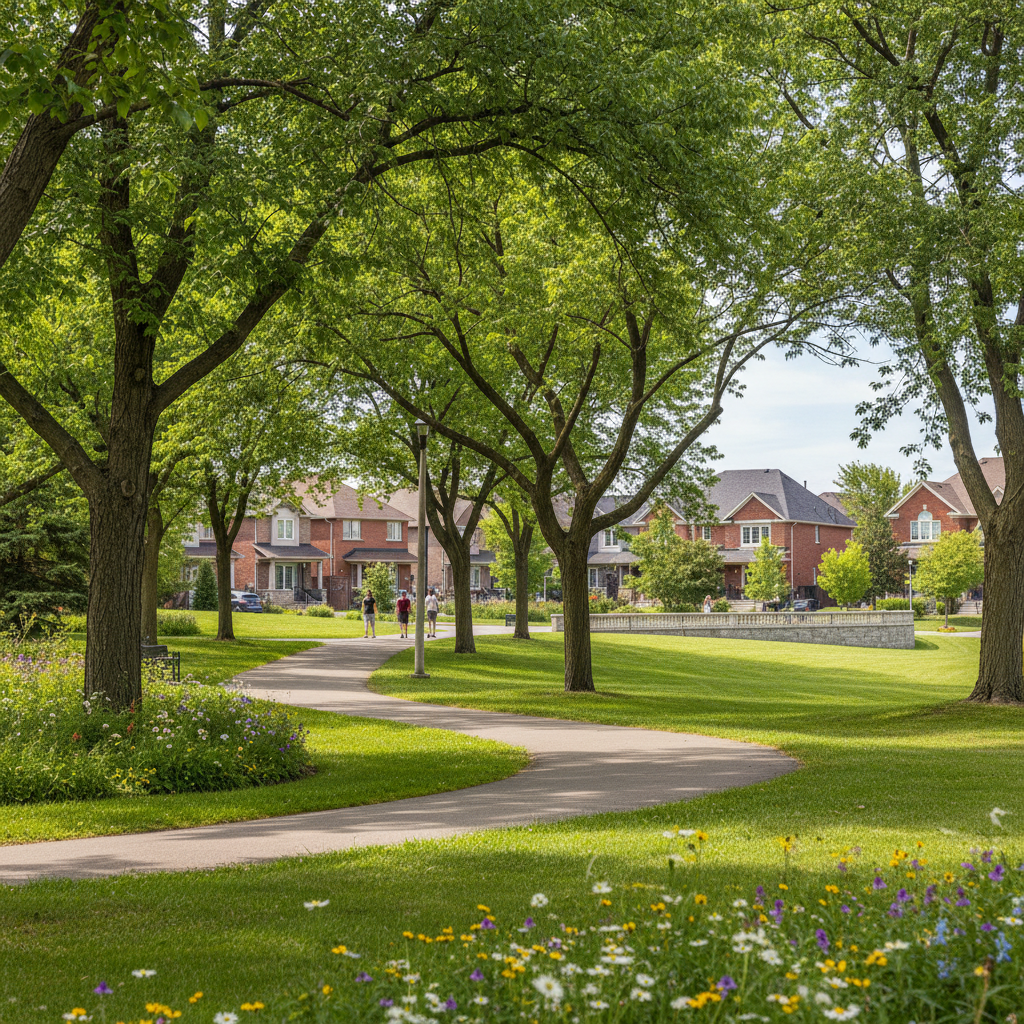
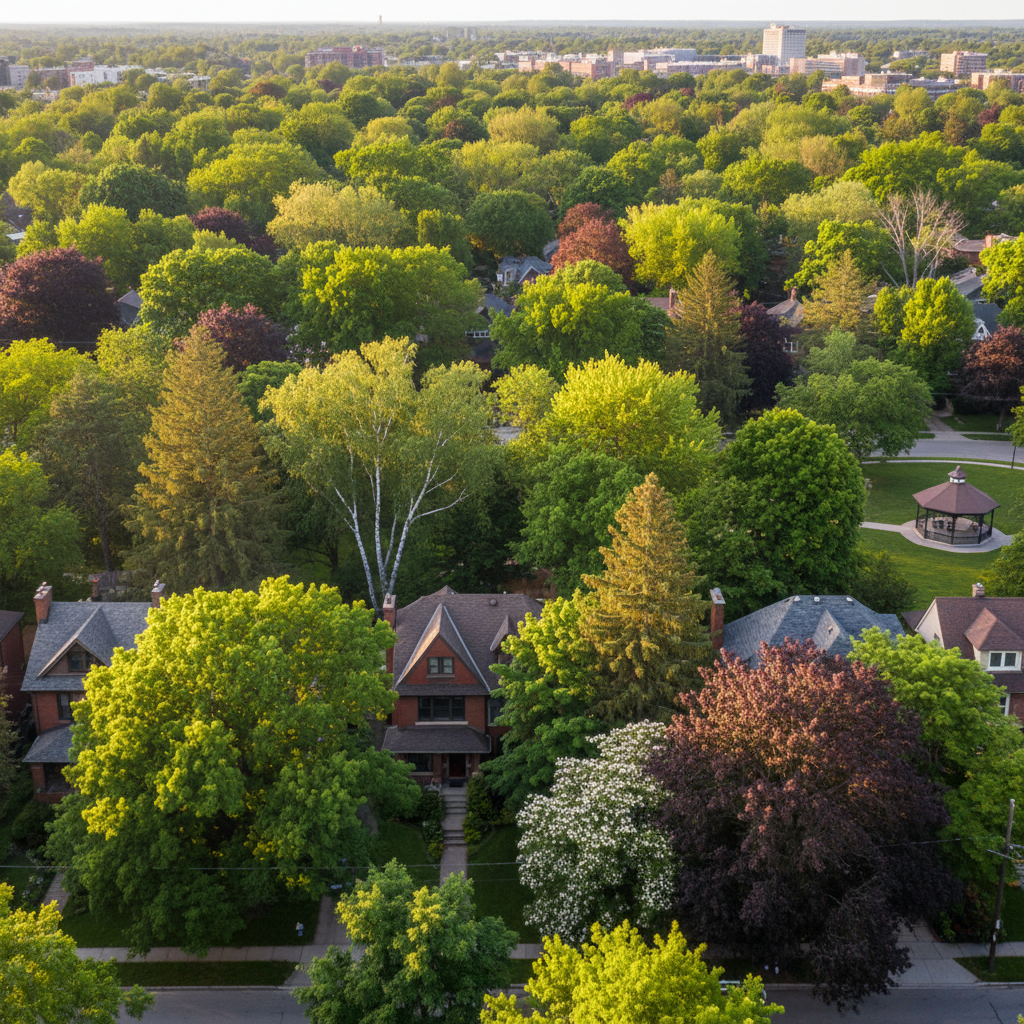
Neighbourhoods with evenly distributed green space tend to have more equitable health outcomes.
The mechanisms are straightforward. Trees and vegetation filter air pollutants, reducing respiratory illness. Shade from a mature canopy lowers surface temperatures, making outdoor activity safer during hot summers. Quiet green spaces provide a buffer from noise and visual stimulation, giving the nervous system a chance to recover from the demands of daily life.
Perhaps most importantly, accessible green space encourages movement. When a park is within a five-minute walk, residents are significantly more likely to meet the daily physical activity recommendations that reduce risk for dozens of chronic conditions. This is not about marathon training. It is about the everyday walking, playing, and stretching that accumulates over a lifetime.
How Does Green Space Strengthen Social Connection?
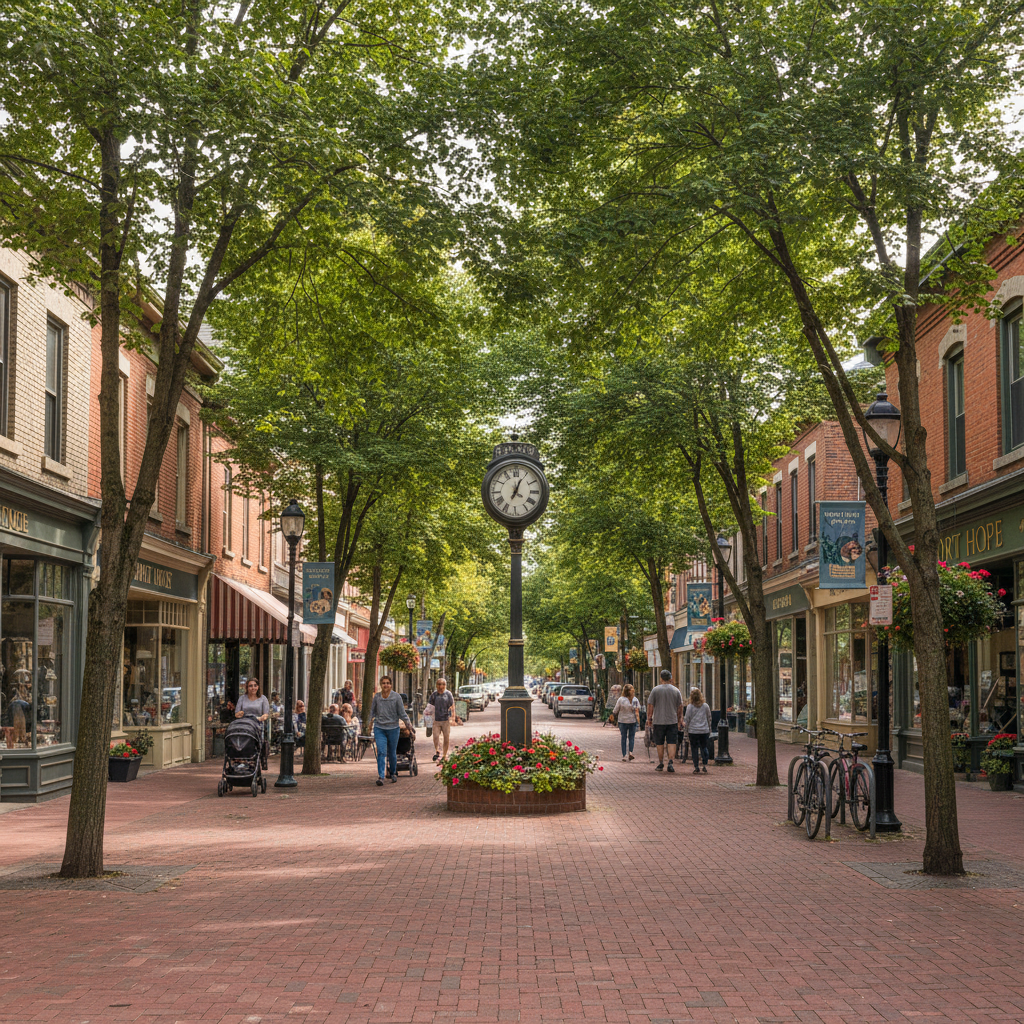
Green space does not only affect individual health. It plays a quiet but powerful role in social cohesion. Parks, community gardens, and tree-lined streets create what urban sociologists call "third places," spaces outside the home and workplace where people interact informally.
In Ontario's diverse communities, these shared outdoor spaces are particularly valuable. A community garden in Scarborough might bring together neighbours who speak different languages. A splash pad in a Barrie park becomes the place where young families form friendships. A trail in Peterborough connects retirees with a daily walking group that becomes a support network.
These connections matter for wellbeing. Loneliness and social isolation are now recognized as significant public health concerns, and green space offers a low-barrier way for people to share space, make eye contact, and begin conversations. Communities with well-maintained parks tend to report higher levels of neighbourliness, trust, and sense of belonging.
Green Space and Children's Development
For children, access to nature is not a luxury. It is a developmental need. Research consistently shows that children who play outdoors in natural settings develop better motor coordination, stronger immune systems, and improved attention and concentration. In Ontario, where screen time competes for hours that previous generations spent outdoors, neighbourhood green space provides an accessible counterweight.
Neighbourhood parks give children daily contact with nature, supporting physical and cognitive development.
Schools in Ontario that border natural areas or have naturalized playgrounds report fewer behavioural incidents and more engaged students. Programs like outdoor classrooms and nature-based learning are gaining traction precisely because the evidence for nature's role in childhood development is so compelling.
Why Is Equitable Access to Green Space Important?
Not all Ontario residents enjoy the same access to green space, and the gaps follow predictable lines. Lower-income neighbourhoods, areas with more rental housing, and communities with higher proportions of newcomers tend to have fewer parks, less tree canopy, and more impervious surface. This means the health benefits of green space accrue unevenly.
Several Ontario municipalities are beginning to address this. The City of Toronto's Ravine Strategy, for example, aims to improve access to the city's extensive ravine system for all residents, not only those in adjacent neighbourhoods. Hamilton's urban forest strategy prioritizes tree planting in lower-canopy areas. These equity-focused approaches recognize that green space is not simply an amenity. It is a form of public infrastructure that should serve everyone.
What Can Communities Do to Protect and Expand Green Space?
Protecting existing green space often requires advocacy. In growing Ontario communities, parkland is under constant pressure from development. Residents who attend planning meetings, join parks advisory committees, and speak up during official plan reviews play an essential role in ensuring that green space is prioritized alongside housing and transportation.
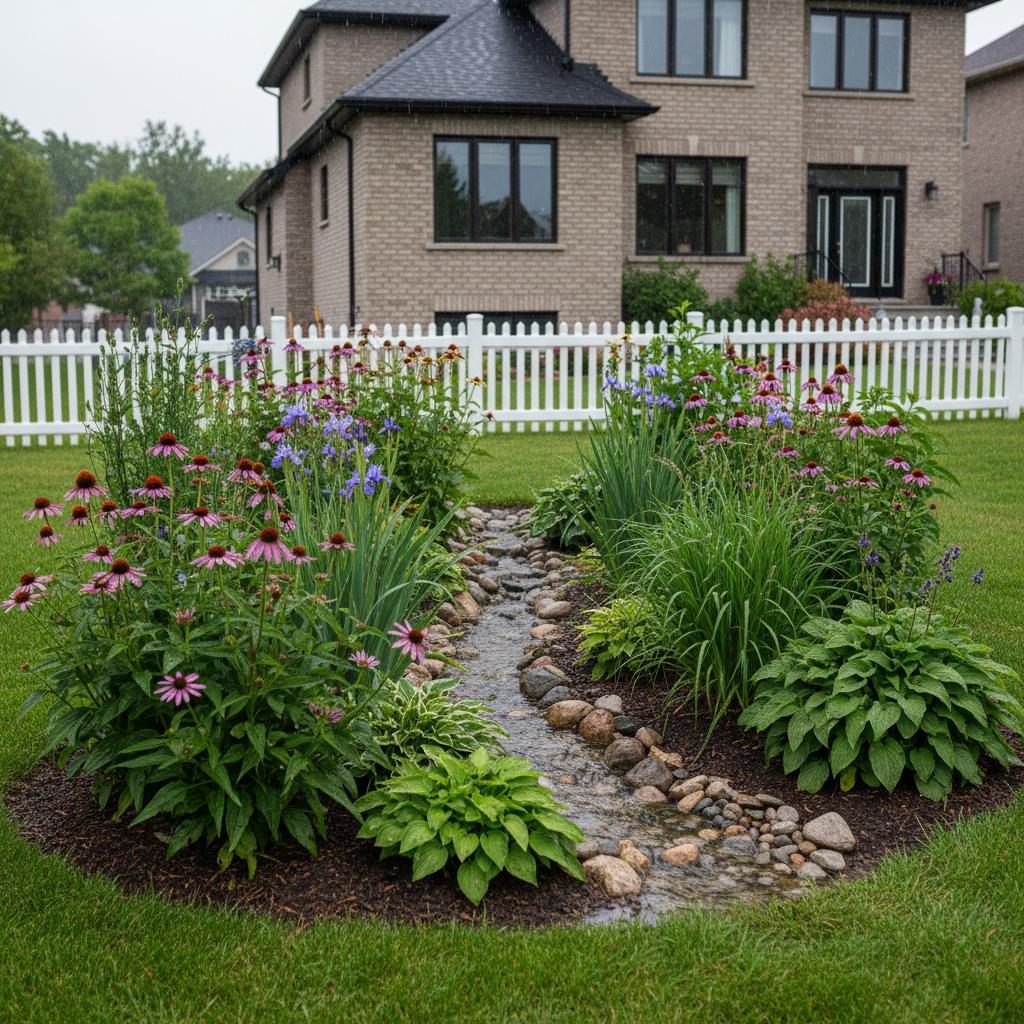
Expanding green space does not always require large capital investments. Naturalized boulevards, pocket parks on underused land, tree planting programs, and community gardens can all add meaningful green space to neighbourhoods that lack it. Many of these initiatives qualify for funding through programs like the Ontario Trillium Foundation or municipal community improvement plans.
Maintenance matters too. A park that is poorly lit, littered, or lacking seating will not attract the regular use that generates community wellbeing. Investment in green space must include ongoing stewardship, and communities that organize volunteer park clean-ups and adopt-a-park programs often find that resident involvement deepens attachment to these places.
Looking Ahead: Green Space in a Growing Province
Ontario is growing rapidly. The province is expected to add millions of new residents in the coming decades, and most of that growth will be concentrated in urban and suburban areas. How communities plan for this growth will determine whether future residents enjoy the green space benefits that research so clearly supports.
The good news is that awareness is high. Municipal official plans increasingly include canopy targets, parkland dedication policies, and green infrastructure requirements. Provincial policy statements now reference the importance of natural heritage and green infrastructure. And residents across Ontario continue to show, through their daily use of parks and trails, that green space is among the most valued features of any community.
The task now is to translate that awareness into sustained investment, equitable distribution, and thoughtful design so that every Ontario community can enjoy the wellbeing benefits that come from living near nature.
Frequently Asked Questions
How does green space improve community health in Ontario?
Green space reduces stress, encourages physical activity, improves air quality, and creates gathering places that strengthen social connections. Together, these factors contribute to measurable improvements in community health outcomes, from lower rates of cardiovascular disease to better mental health.
How much green space does a neighbourhood need?
The World Health Organization recommends that every resident live within 300 metres of a green space. Many Ontario municipalities use a target of 4 hectares of parkland per 1,000 residents, though quality and accessibility matter as much as raw acreage.
What types of green space benefit communities most?
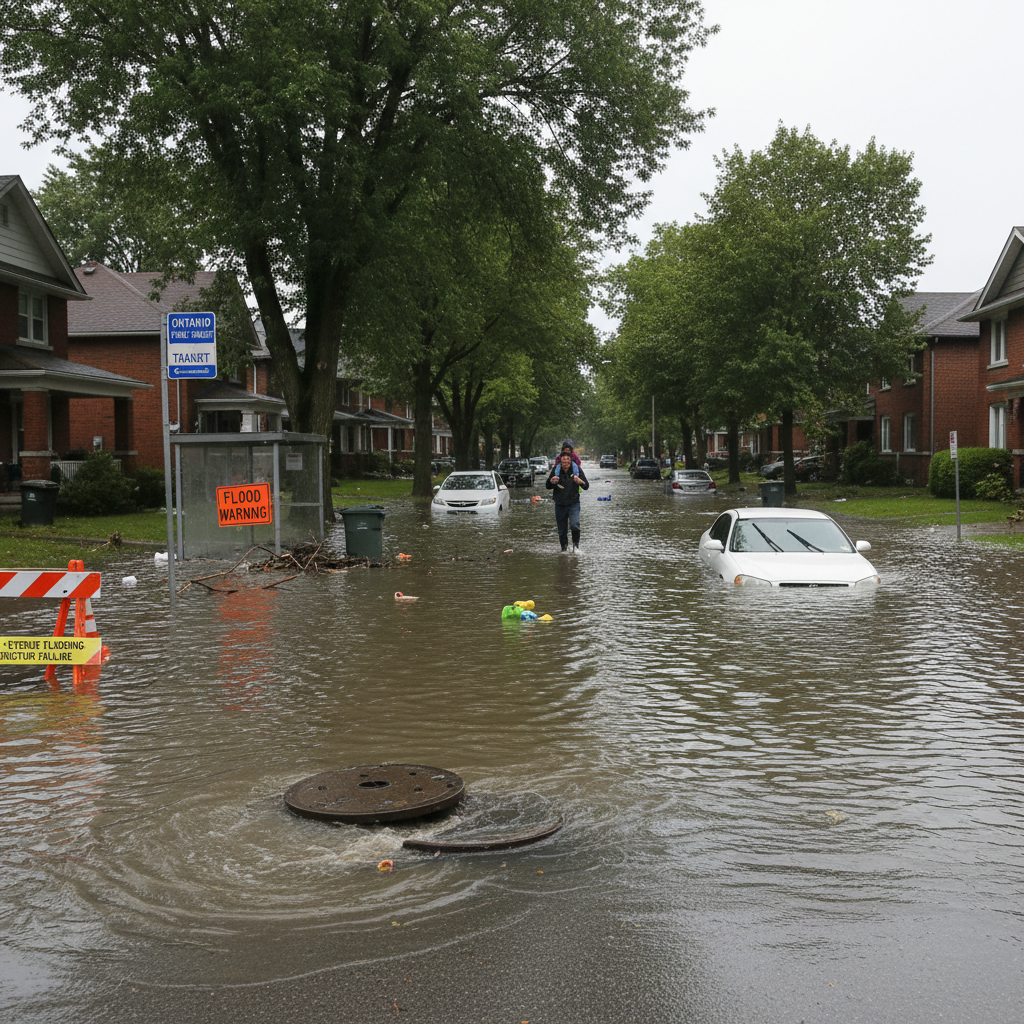
A mix of types is ideal: small pocket parks for daily use, larger community parks with gathering space, tree-lined streets for shade and walkability, and naturalized areas like meadows and wetlands that support biodiversity and stormwater management.
Are there Ontario programs that fund community green space?
Yes. Ontario offers several funding streams including the Ontario Trillium Foundation, the federal Green Municipal Fund through the Federation of Canadian Municipalities, and various conservation authority grant programs that support community greening projects.