Community

Public Landscapes That Make Communities Better

Healthy Landscapes Ontario | February 1, 2026

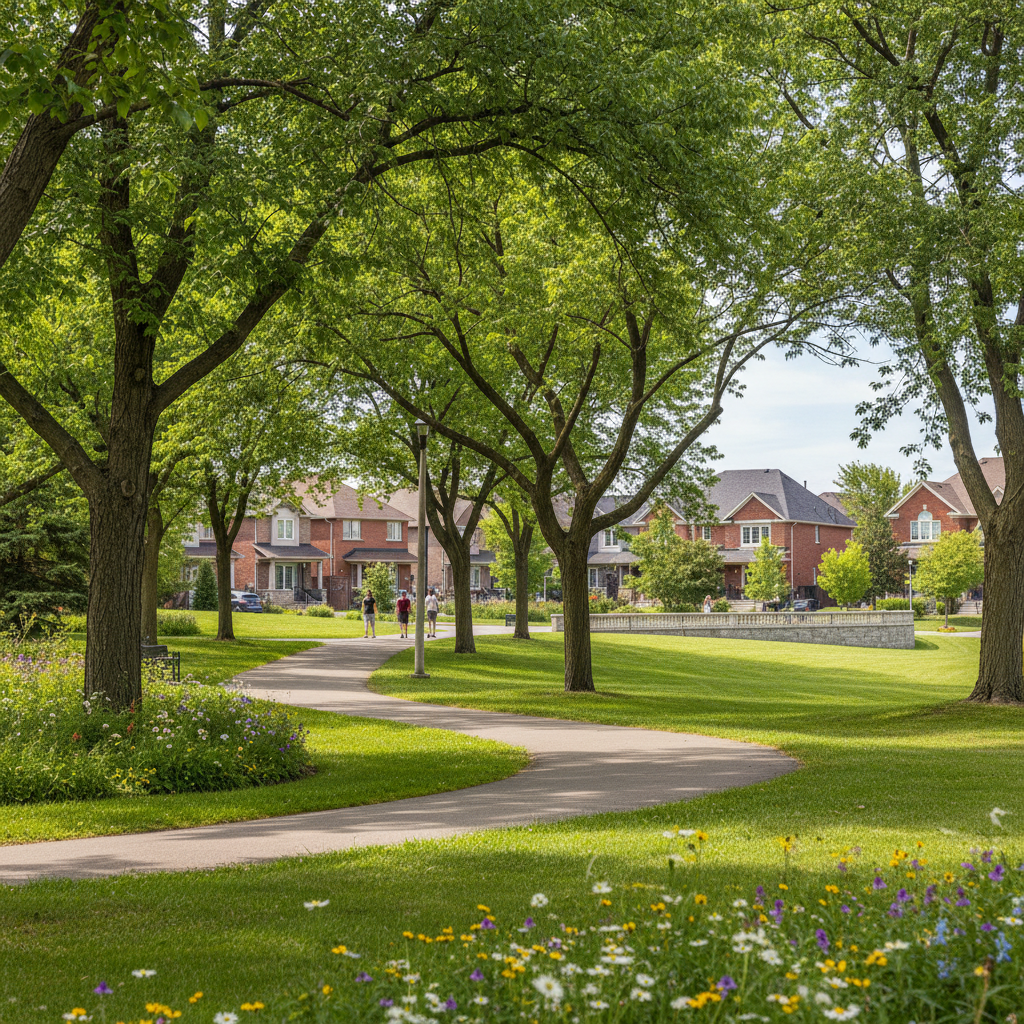
Neighbours gathering in a landscaped public space in an Ontario community

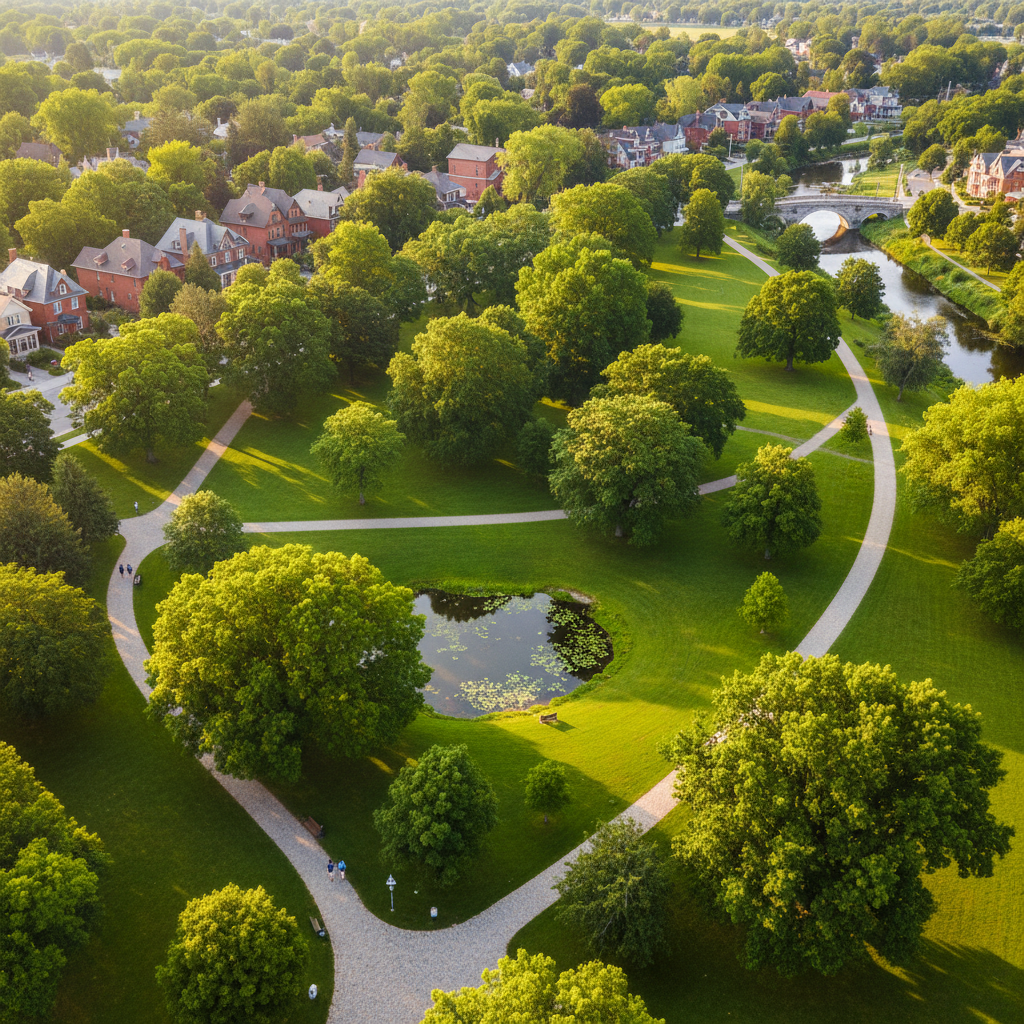
Every Ontario community has public land. What distinguishes a great community from an ordinary one is often what happens on that land. A thoughtfully designed park becomes the place where families celebrate birthdays, seniors meet for morning walks, and teenagers sit on the grass after school. A neglected strip of mowed grass between a road and a parking lot does none of these things, even though both are technically public space.

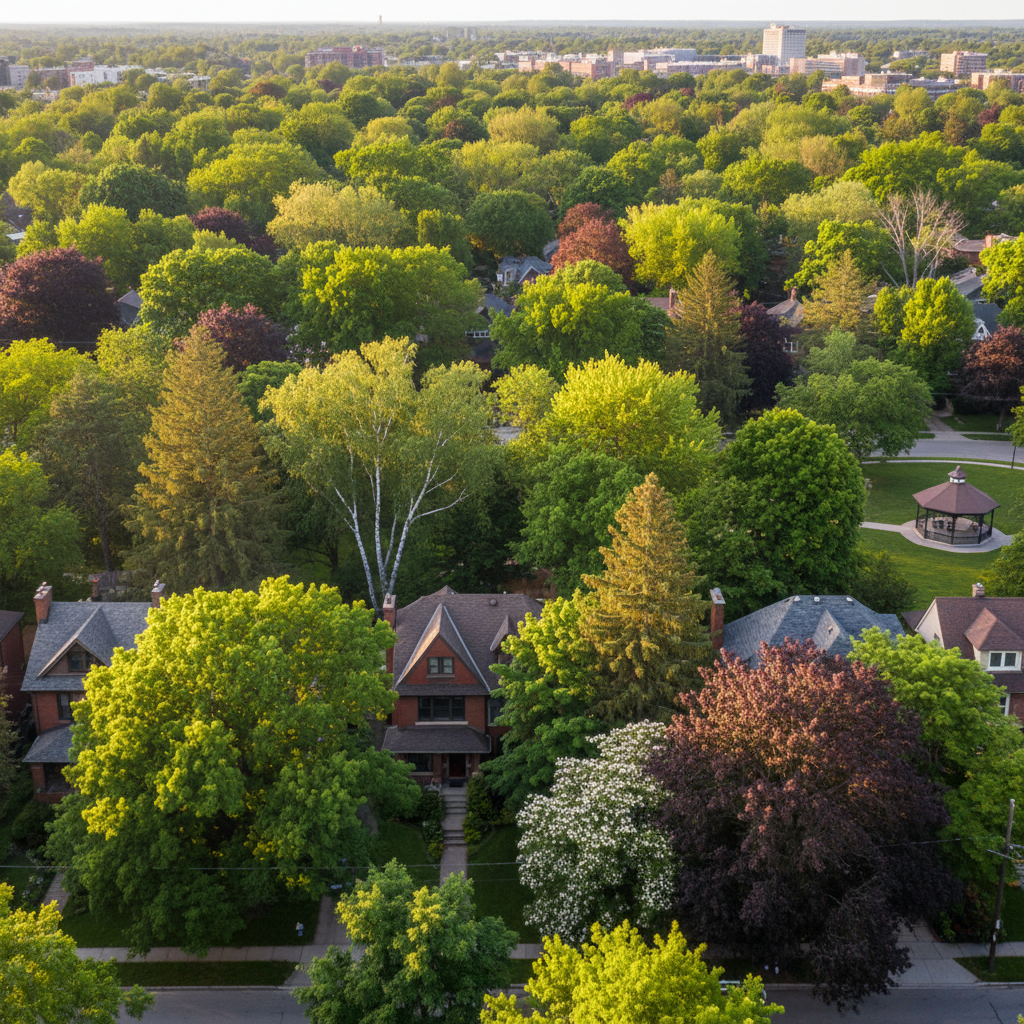
The difference is design: the deliberate choices about trees, paths, seating, plantings, and programming that transform public land into places people love and use. Across Ontario, communities that invest in their public landscapes are seeing returns in health, social connection, economic vitality, and the quiet pride that comes from living somewhere that feels cared for.

What Turns Public Land into a Beloved Space?

Research on successful public spaces, from the work of the Project for Public Spaces to local studies by Canadian universities, identifies several consistent elements. People use public landscapes that feel comfortable, safe, interesting, and alive with activity. These qualities emerge from specific design choices.

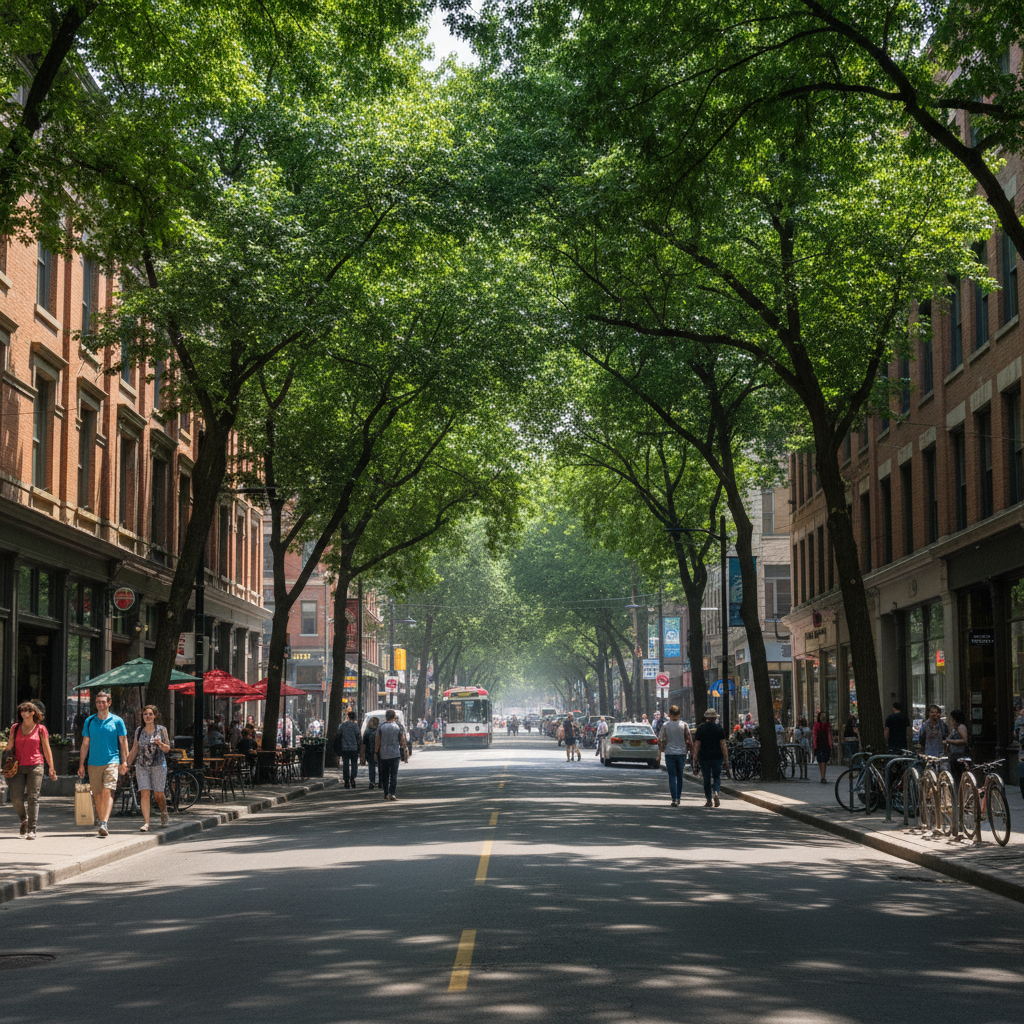
Shade and shelter are foundational. An outdoor space without shade is unusable for much of the summer, and one without wind protection is uncomfortable in spring and fall. Mature trees provide the most effective shade while also delivering ecological and aesthetic benefits. In newer spaces where trees have not yet matured, pergolas, shade sails, and building overhangs can provide interim comfort.

A public art installation integrated into a landscaped park in an Ontario community

Public art gives a landscape identity and creates a focal point that draws visitors and encourages lingering.

Seating variety matters more than most people realize. A bench with a back and armrests serves an older adult who needs support standing up. A low stone wall offers informal perching for a group of friends. A moveable chair lets someone adjust their position to face the sun or join a conversation. Communities that provide diverse seating options attract diverse users.

Pathways and accessibility determine who can use a space. Smooth, firm surfaces wide enough for wheelchairs and strollers, gentle grades that avoid steps where possible, and clear wayfinding all contribute to a landscape that serves people of all abilities. Ontario's Accessibility for Ontarians with Disabilities Act (AODA) sets minimum standards, but the best public landscapes exceed these minimums by designing for genuine inclusion rather than mere compliance.

How Do Public Landscapes Support Community Health?

The health benefits of well-designed public landscapes operate through multiple channels. The most direct is physical activity. Landscapes with walking loops, fitness equipment, playgrounds, and sport courts provide free, accessible venues for exercise. In Ontario, where physical inactivity contributes to chronic disease and health care costs, public landscapes that encourage movement represent a significant public health investment.

Mental health benefits are equally important. Contact with nature, particularly with diverse, living landscapes, reduces cortisol, lowers blood pressure, and improves mood. A park with varied plantings, water features, and birdsong provides more restorative benefit than a flat, mowed expanse. Communities that design their public landscapes for sensory richness are creating spaces that support mental wellbeing.

Social health is the third channel. Loneliness and social isolation are recognized public health challenges in Canada, and public landscapes offer one of the most accessible remedies. A park where parents chat while children play, where a weekly farmers market brings the neighbourhood together, or where a community garden gives strangers a reason to talk, these are places where social bonds form naturally without requiring memberships, tickets, or appointments.

Landscapes for All Ages

The strongest public landscapes serve multiple generations simultaneously. A well-designed community park might include a natural playground for young children, a basketball court for teenagers, a walking loop for adults, benches with views for seniors, and a community garden that draws all ages. This intergenerational mixing is itself a health benefit, reducing age segregation and building the cross-generational connections that strengthen community resilience.

Designing for all ages requires listening to all ages. Communities that engage youth, seniors, families, and people with disabilities in their design processes create spaces that actually work for their diverse populations rather than defaulting to generic templates that serve no one particularly well.

How Do Public Landscapes Strengthen Local Identity?

Every community has a story, and public landscapes can tell it. A waterfront park that celebrates a town's maritime history. A main street garden that features plants native to the local landscape. A trail that follows a former railway or canal. These design choices connect a landscape to its place, distinguishing it from generic parks that could be anywhere.

A farmers market taking place in a community park on a Saturday morning in Ontario

Farmers markets and community events activate public landscapes and create the social connections that define a neighbourhood.

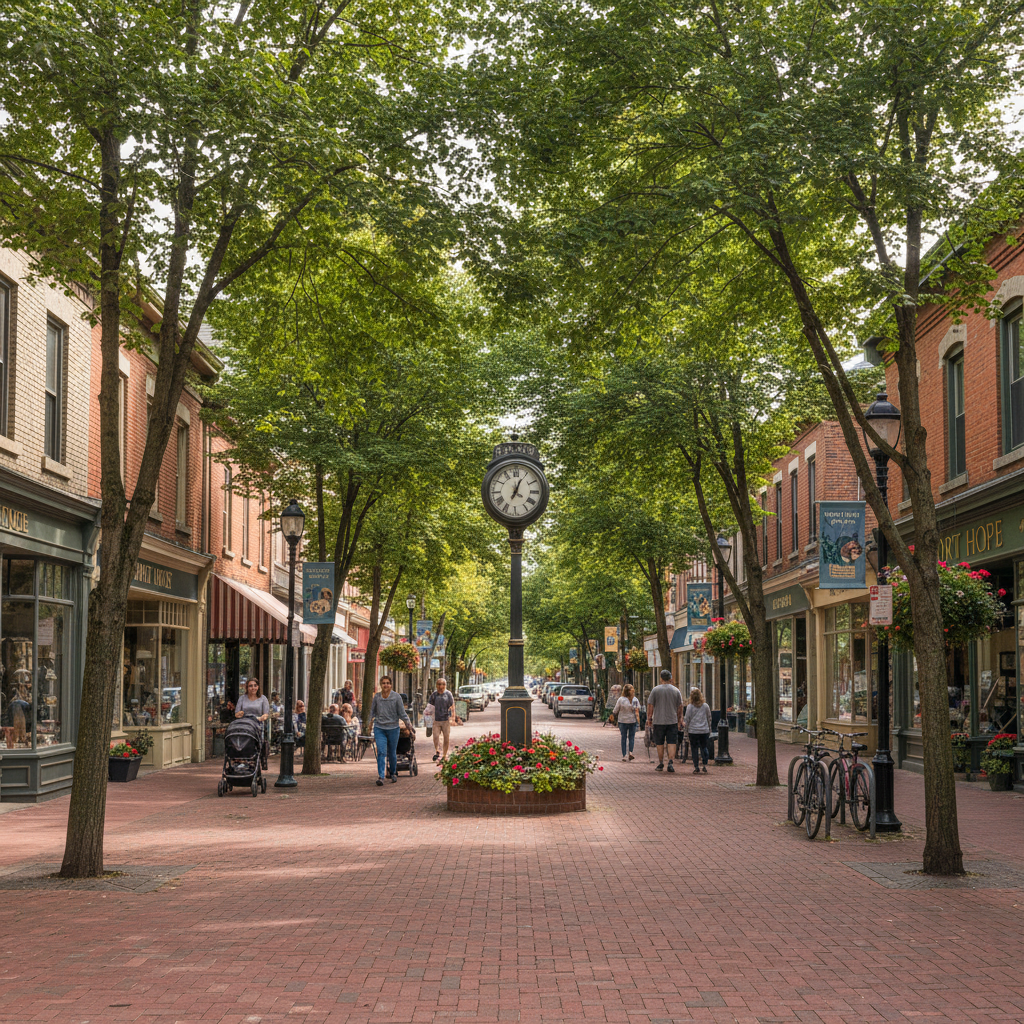
Public art is a powerful tool for identity-building in landscapes. Murals, sculptures, interpretive panels, and artistic benches give a space character and create points of interest that draw visitors and encourage exploration. Communities across Ontario, from Sudbury's regreening art installations to Port Hope's heritage district markers, are using public art to strengthen the identity of their outdoor spaces.

Programming activates landscapes and builds identity over time. A park that hosts a weekly concert series becomes the music park. A square that hosts the Saturday market becomes the market square. These associations accumulate, and the landscape becomes inseparable from the community activities it hosts. Active, programmed landscapes build stronger identities than passive, unprogrammed ones.

What Role Does Maintenance Play?

Design sets the potential of a public landscape. Maintenance determines whether that potential is realized. A beautifully designed park that is poorly maintained, with broken benches, overgrown plantings, cracked pavement, and litter, quickly loses users and the community benefits they bring. Conversely, a modestly designed space that is immaculately maintained can become a beloved gathering place simply because it feels cared for.

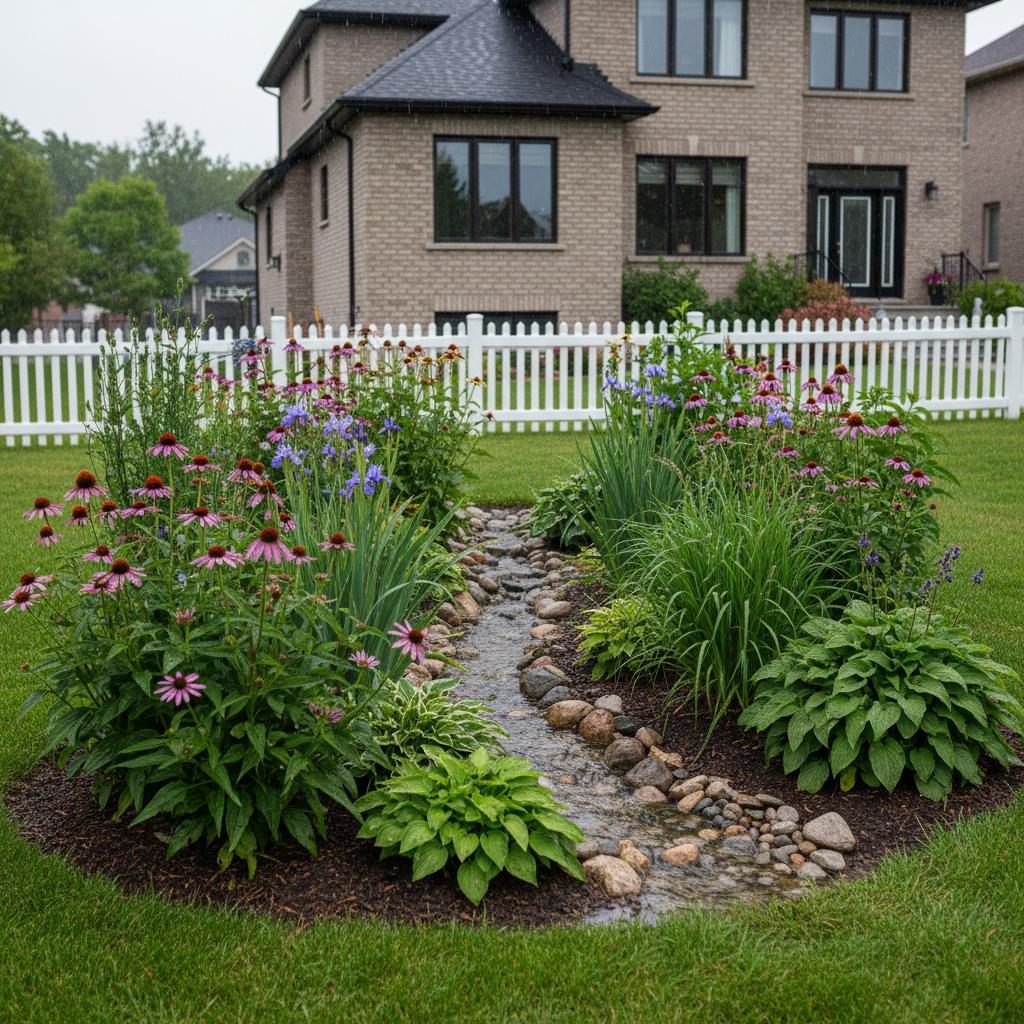
For Ontario municipalities, maintenance budgets are often constrained. Design choices can help by selecting durable materials suited to Ontario's freeze-thaw cycles, choosing native plants that require less watering and fertilization, and using layouts that simplify mowing and leaf management. Nature-based features like rain gardens and naturalized meadows can actually reduce maintenance costs compared to conventional manicured landscapes while providing superior ecological function.

Volunteer stewardship programs extend municipal maintenance capacity. Adopt-a-park programs, community garden collectives, and trail associations all contribute labour, knowledge, and advocacy that keep public landscapes in good condition. These programs also deepen resident attachment to public spaces, creating a virtuous cycle where involvement leads to care, care leads to quality, and quality attracts more involvement.

Investing in the Public Realm

Public landscapes are shared wealth. They belong to everyone and benefit everyone, from the toddler taking first steps on a park path to the retiree reading on a bench to the teenager shooting hoops after school. They are the places where community life happens outdoors, and their quality reflects the values and priorities of the communities that shape them.

Ontario communities that invest in their public landscapes, through thoughtful design, sustained maintenance, genuine engagement, and a commitment to serving all residents, are building the kind of places where people choose to live, stay, and put down roots. The return on that investment shows up in healthier residents, stronger social bonds, higher property values, and the intangible but unmistakable sense of pride that comes from living in a community that takes care of its shared places.

Every public landscape is an opportunity. The question for Ontario communities is not whether they can afford to invest in these spaces, but whether they can afford not to.

Frequently Asked Questions

What is a public landscape?

A public landscape is any outdoor space that is publicly owned and accessible, including parks, streetscapes, waterfront areas, civic squares, trail corridors, and naturalized open spaces. These landscapes serve as shared community resources that everyone can enjoy.

How do public landscapes make communities better?

Public landscapes improve communities by providing spaces for physical activity, social gathering, nature contact, and cultural expression. They manage stormwater, reduce heat, increase property values, support biodiversity, and create shared experiences that build community identity.

What design features make a public landscape successful?

Successful public landscapes include shade trees, comfortable seating, accessible pathways, diverse plantings, water features or views, gathering spaces of varying sizes, good lighting, and programming that draws people regularly. They feel safe, welcoming, and worth visiting.

How can Ontario communities maintain public landscapes long-term?

Long-term maintenance requires dedicated municipal budgets, volunteer stewardship programs, partnerships with community organizations, and design choices that minimize maintenance needs, such as native plantings and durable materials suited to Ontario's climate conditions.