Biodiversity

Why Walkable Green Space Matters

Healthy Landscapes Ontario | January 1, 2026

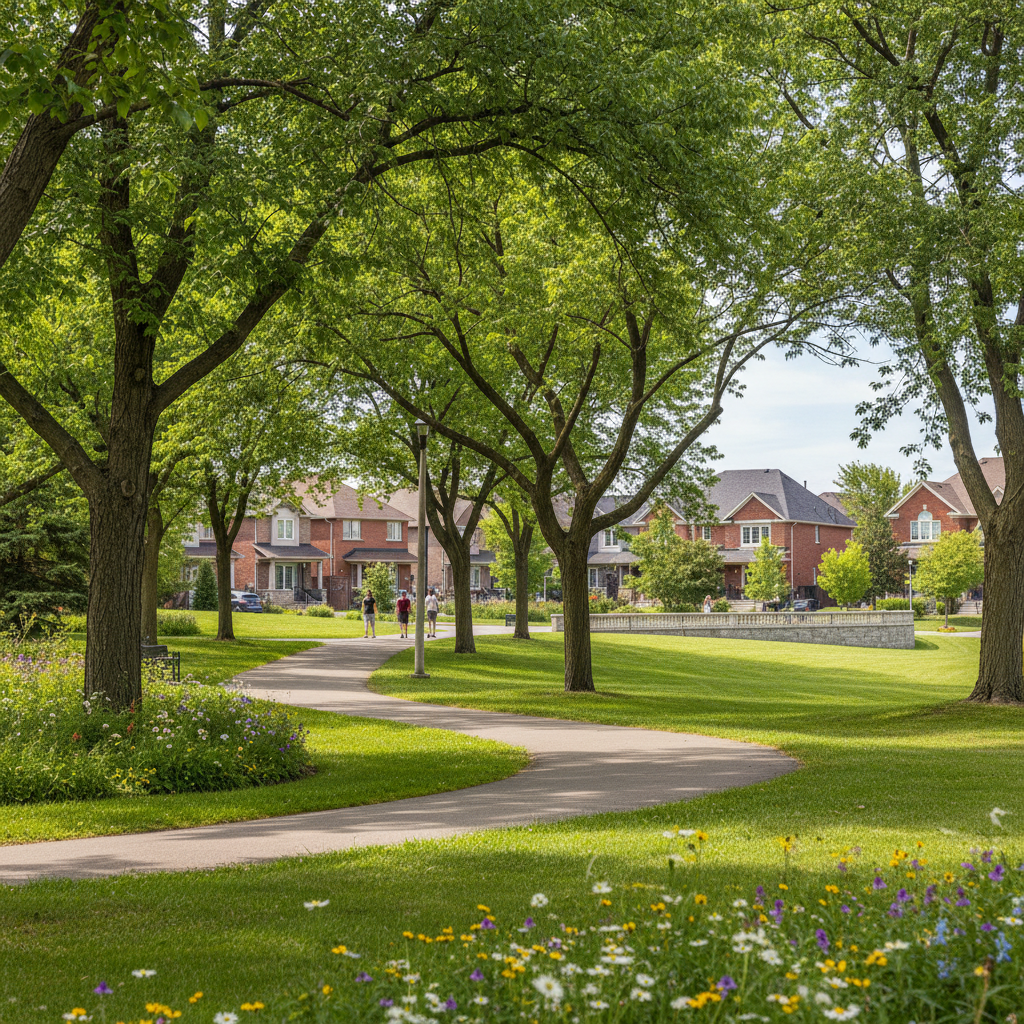
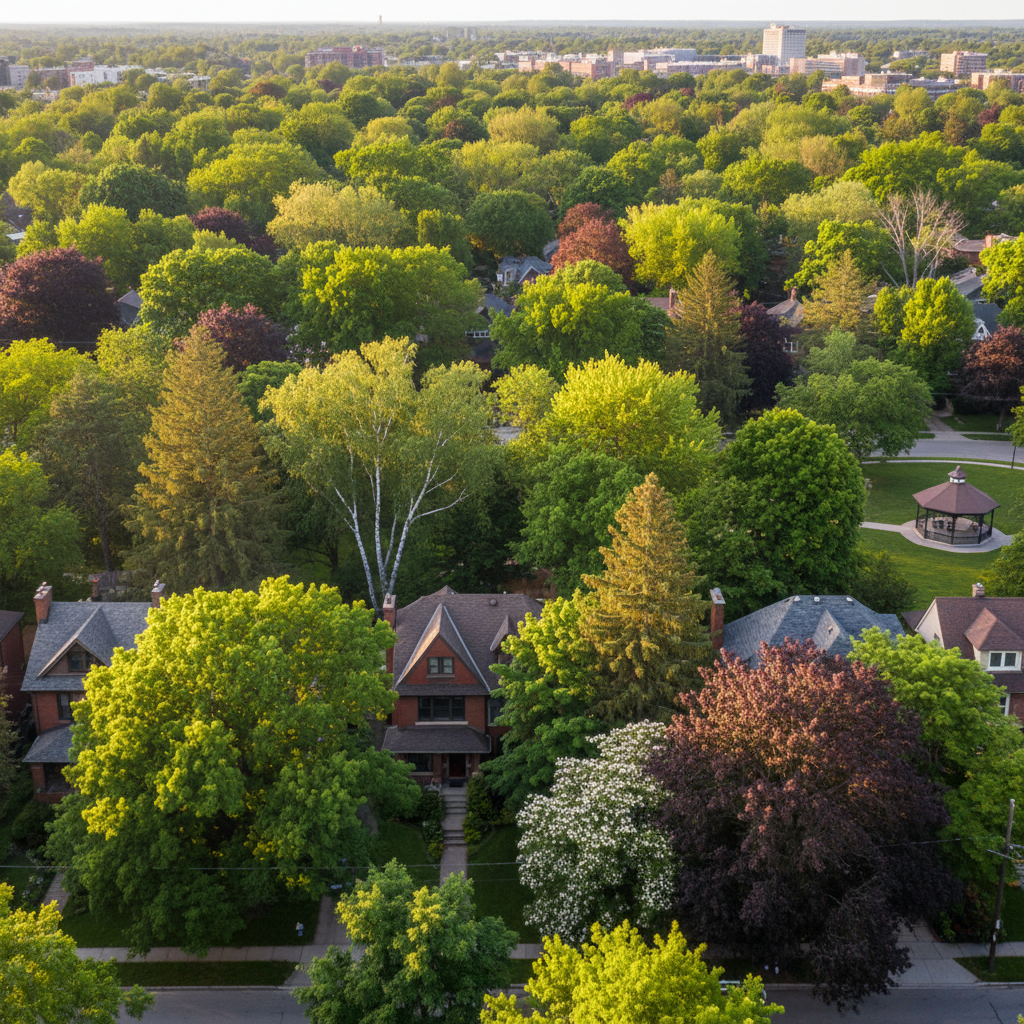
A diverse tree canopy along a walking path in an Ontario neighbourhood park

The most important green space in any Ontario community is not the largest park or the most dramatic conservation area. It is the green space that residents can walk to. A neighbourhood park five minutes from the front door, a tree-lined street that invites a morning stroll, a creek path that connects one block to the next. These everyday, walkable green spaces shape daily habits, support wildlife, and determine whether contact with nature is a routine part of life or an occasional outing requiring a car.

Walkable green space sits at the intersection of two ideas that matter deeply for Ontario communities: the health benefits of nature contact and the practical benefits of walkable design. When neighbourhoods make it easy to walk to a green, biodiverse place, residents move more, stress less, know their neighbours better, and live in areas that support richer ecological life. The challenge is that many Ontario neighbourhoods, particularly newer suburban developments, were not designed with walkable green space as a priority.

What Makes Green Space Walkable?

Walkability is about more than distance. A park might be 400 metres from a home but effectively unreachable if the route requires crossing a busy arterial road without a crosswalk, navigating a sidewalk-free stretch, or passing through an area that feels unsafe. True walkable green space requires both proximity and a comfortable, safe route to get there.

In many older Ontario neighbourhoods, walkable green space exists naturally. Grid street patterns with short blocks, mature street trees, and parks distributed throughout the neighbourhood create conditions where residents can reach green space without thinking about it. The walk to the park is just part of the neighbourhood's fabric.

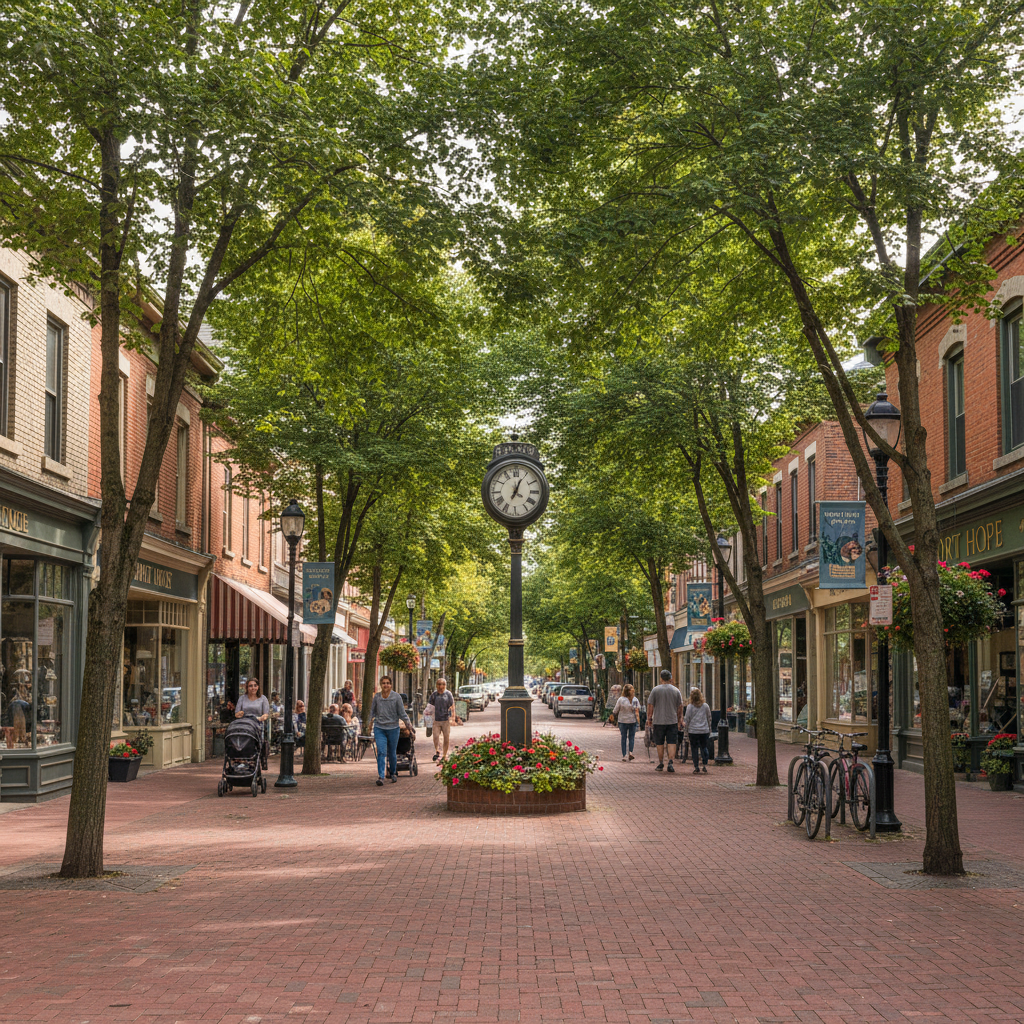
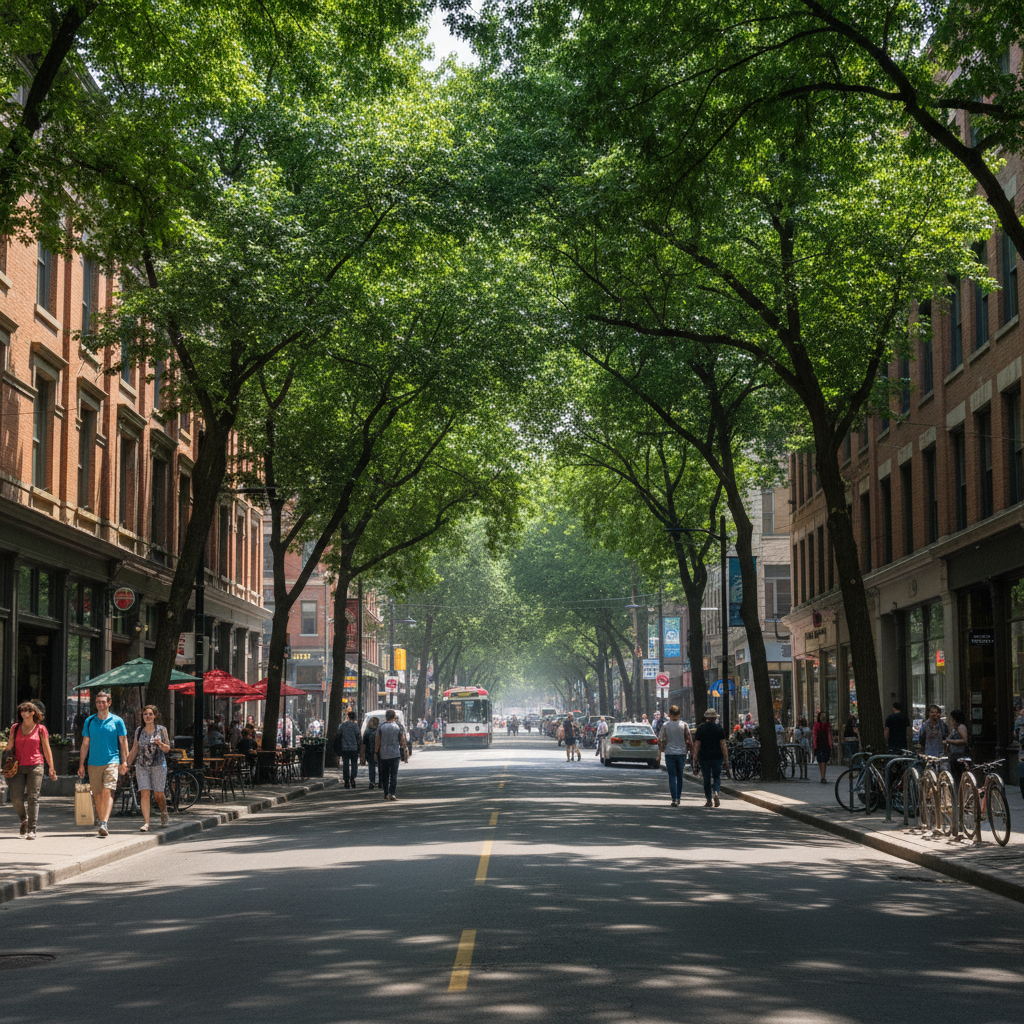
A residential street with mature trees and a small park visible at the end of the block

When green space is visible from the street and reachable in a short walk, residents use it more frequently and benefit more from its presence.

Newer suburban developments often present a different picture. Curvilinear streets, cul-de-sacs, and large blocks can make the straight-line distance to a park misleading. A park that appears to be 300 metres away may require a walking route of 800 metres or more through winding streets. Sound barriers, fences, and wide collector roads can further separate residents from green space that technically exists in their community.

Municipal planning decisions determine these outcomes. Communities that require connected street networks, pedestrian shortcuts between cul-de-sacs, and distributed parkland in their subdivision standards create walkable green space by default. Those that do not create car-dependent communities where even nearby parks require a drive.

How Does Walkable Green Space Support Biodiversity?

Biodiversity thrives in networks, not islands. A single large park surrounded by pavement supports fewer species over time than a network of smaller parks, naturalized boulevards, backyard gardens, and stream corridors connected by tree-lined streets. This is because many species, from songbirds to native bees to small mammals, need to move between habitat patches to find food, shelter, and mates.

Walkable green space distributed throughout a neighbourhood creates exactly this kind of network. When every block has a street tree, every few blocks have a pocket park, and trails connect larger green spaces, the result is a web of habitat that supports a surprising variety of life. Research from the Toronto Zoo's Adopt-a-Pond program and other Ontario conservation initiatives has documented that even small, distributed green spaces in urban areas can support significant pollinator and bird diversity when planted with native species.

Street trees are an often-overlooked component of this network. A continuous row of trees along a residential street serves as a corridor that birds and insects use to move between larger habitat areas. Communities with robust street tree programs are, often inadvertently, supporting biodiversity across their entire urban landscape.

Native Plants and Neighbourhood Biodiversity

The species planted in walkable green spaces matter enormously for biodiversity. Native Ontario plants, species that evolved in this region over thousands of years, support far more insect, bird, and wildlife species than non-native ornamentals. A native oak tree supports over 500 species of caterpillars, which in turn feed birds that rely on these protein-rich food sources for their young. A non-native ornamental tree may support fewer than a dozen.

Communities that shift their park and boulevard plantings toward native species are making a significant investment in biodiversity. This does not mean eliminating all ornamentals, but it does mean ensuring that a meaningful proportion of public plantings are native species that provide habitat value. Wildflower meadows in parks, native shrubs in rain gardens, and indigenous trees along streets all contribute to a landscape that supports local wildlife while remaining attractive and well-maintained.

Why Does Proximity to Green Space Matter So Much?

The health benefits of green space are strongly distance-dependent. Studies consistently find that residents who live within a 5-minute walk of a park use it regularly, while those who live more than 10 minutes away are far less likely to visit. This usage gap translates directly into differences in physical activity, stress levels, and social connection.

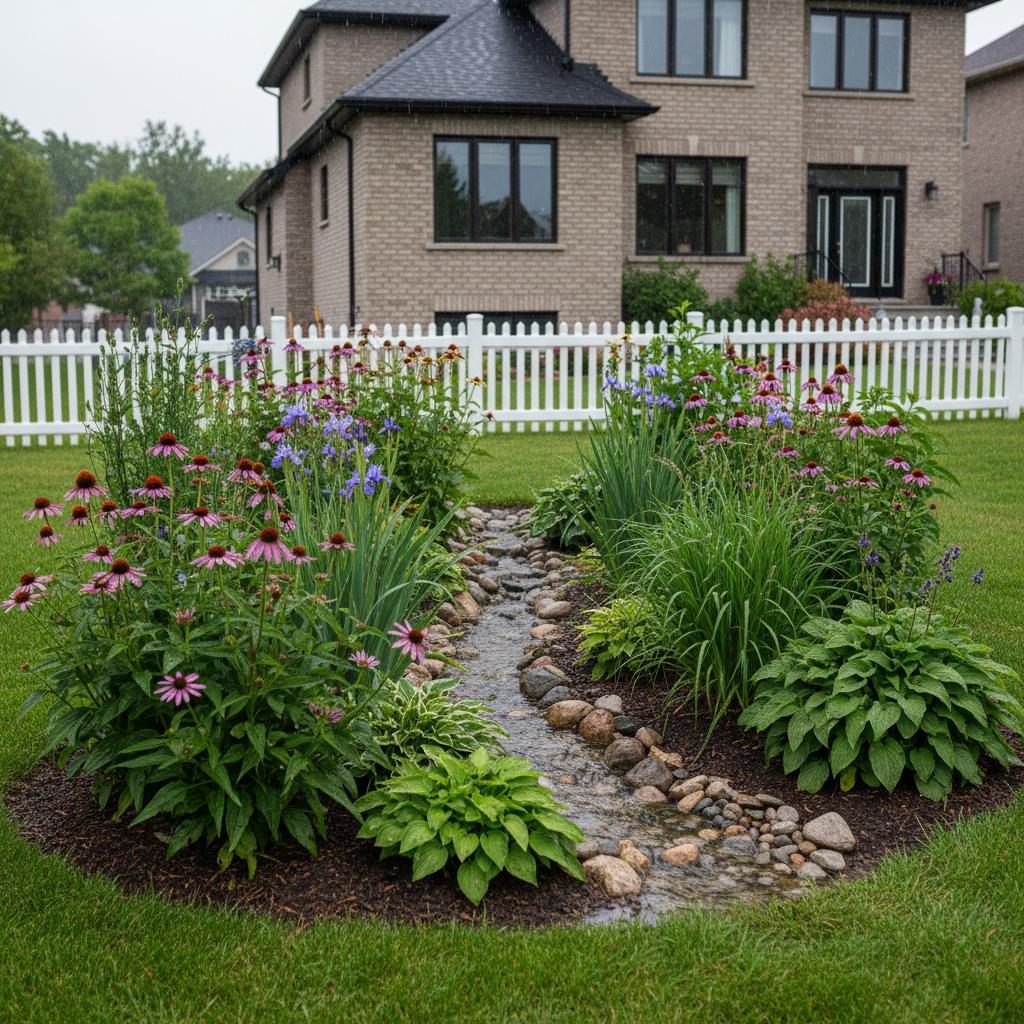
A small stream running through a naturalized corridor in an Ontario neighbourhood

Naturalized stream corridors provide habitat connectivity, stormwater management, and beautiful walking routes through neighbourhoods.

For children, the effect is particularly strong. Kids who can walk to a park or natural area independently, without needing a parent to drive them, spend significantly more time outdoors. This independence supports physical development, builds confidence, and provides the unstructured outdoor play that childhood development research identifies as essential.

For older adults, walkable green space is often the difference between an active, socially connected retirement and a sedentary, isolated one. A bench-equipped path through a nearby park provides the gentle exercise and social opportunity that keeps older residents healthy and engaged. When that path is too far away or the route feels unsafe, those daily visits do not happen.

The equity dimension is important here. Lower-income neighbourhoods and areas with more rental housing tend to have less walkable green space. This means the residents who might benefit most from nearby nature are often the least likely to have it. Municipalities that use data to identify these gaps and prioritize green space investment in underserved areas are addressing a genuine health equity issue.

What Can Communities Do to Improve Walkable Green Space?

Improving walkable green space does not always require building new parks. Some of the most effective strategies work with land that already exists:

  • Naturalize stormwater ponds: Many Ontario subdivisions have engineered stormwater ponds that could be enhanced with native plantings, walking paths, and seating to become functional green spaces.
  • Create pocket parks: Small parcels of underused municipal land, from vacant lots to wide road allowances, can become pocket parks that add green space exactly where it is needed.
  • Add trail connections: Short trail links between cul-de-sacs, across hydro corridors, and along creek banks dramatically improve walkable access to existing green spaces.
  • Plant street trees: A continuous street tree canopy makes the walk to any destination greener, shadier, and more pleasant, effectively extending the benefits of green space to every block.

For new development, the most powerful tool is municipal planning policy. Communities that require distributed parkland, connected trail networks, and street tree planting in their subdivision standards ensure that walkable green space is built into new neighbourhoods from the start. Retrofitting it later is always more expensive and difficult.

The message from research, planning practice, and everyday experience is consistent: green space that people can walk to changes daily life for the better. It supports health, builds community, sustains ecological function, and makes Ontario's neighbourhoods places where people genuinely want to live. Investing in walkable green space is one of the simplest and most effective ways to build healthier communities.

Frequently Asked Questions

What is walkable green space?

Walkable green space refers to parks, natural areas, trails, and other green environments that residents can reach on foot within 5 to 10 minutes from their homes. It emphasizes proximity, safety of walking routes, and the quality and biodiversity of the green space itself.

How does walkable green space support biodiversity?

When green spaces are distributed throughout a community and connected by tree-lined streets and natural corridors, they create a network of habitat patches that supports birds, pollinators, and other wildlife. This distributed approach is more effective for biodiversity than isolated large parks alone.

What is the ideal distance from a home to a park or green space?

Research suggests that the health and wellbeing benefits of green space are strongest when parks are within 300 to 500 metres of home, roughly a 5-minute walk. Beyond 800 metres, the likelihood of regular use drops significantly.

How can suburban neighbourhoods improve walkable green space?

Suburban communities can create pocket parks, naturalize stormwater ponds, plant street trees, add trail connections between cul-de-sacs, convert underused land to community gardens, and require green space provisions in new development approvals.